

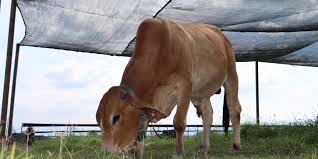
Sustainable livestock production, climate adaptation, animal health, and dairy-sector modernization are emerging as key priorities for agricultural policymakers worldwide as governments and international organizations seek to strengthen food security and build more resilient farming systems.
At a time when global agriculture faces increasing pressure from climate change, population growth, resource constraints, and evolving consumer demands, experts are calling for a comprehensive transformation of livestock systems. Policymakers argue that improving the sustainability and efficiency of livestock production will be critical to ensuring a stable supply of nutritious food while reducing environmental impacts.
Livestock plays a central role in global food systems, providing meat, milk, eggs, and other essential products that contribute significantly to human nutrition. The sector also supports the livelihoods of more than a billion people worldwide, particularly in rural communities where livestock farming remains a major source of income and employment.
International agricultural leaders are increasingly emphasizing the need to modernize livestock production through innovation, improved management practices, and climate-smart technologies. Sustainable livestock systems are being promoted as a means of increasing productivity while conserving natural resources and reducing greenhouse gas emissions.
Climate adaptation has become a major focus area as rising temperatures, changing rainfall patterns, and extreme weather events continue to affect livestock production across many regions. Heat stress, water shortages, and declining pasture quality are creating new challenges for farmers and livestock producers. In response, researchers and policymakers are encouraging the adoption of resilient breeds, improved feeding strategies, and better water management practices.
Animal health is another critical component of the global livestock transformation agenda. Disease outbreaks can have devastating impacts on food production, farmer incomes, and international trade. Strengthening veterinary services, expanding vaccination programs, improving disease surveillance systems, and enhancing biosecurity measures are increasingly being viewed as essential investments for the future of the sector.
The dairy industry is also undergoing significant change as countries seek to improve productivity, sustainability, and product quality. Modern dairy farming technologies, including automated milking systems, digital herd management tools, and advanced breeding programs, are helping producers increase efficiency while improving animal welfare standards. Policymakers believe that modernization efforts can contribute to both economic growth and food security.
Experts note that sustainable livestock development extends beyond production efficiency. Greater attention is being given to environmental stewardship, including reducing methane emissions, improving manure management, protecting biodiversity, and promoting regenerative agricultural practices. These measures are seen as important steps toward balancing food production needs with climate and environmental objectives.
International organizations are encouraging stronger collaboration among governments, research institutions, private-sector stakeholders, and farming communities to accelerate progress. Investments in agricultural research, innovation, education, and infrastructure are expected to play a crucial role in supporting the transition toward more sustainable livestock systems.
Agricultural economists highlight that demand for animal-based products is expected to continue growing in many parts of the world, particularly in developing economies. Meeting this demand sustainably will require a combination of technological innovation, supportive policies, and responsible resource management.
As global food systems navigate a period of profound transformation, sustainable livestock development is increasingly being recognized as a cornerstone of future food security. By prioritizing climate resilience, animal health, and dairy-sector modernization, policymakers aim to create livestock systems that are productive, environmentally responsible, and capable of supporting the nutritional needs of a growing global population for decades to come.


 By
By











