

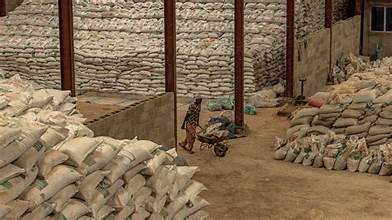
Fears of a looming global food crisis are intensifying as a major disruption in fertiliser supply routes threatens agricultural production worldwide. Experts warn that nearly one-third of global fertiliser trade has been affected by ongoing geopolitical tensions, raising serious concerns about food availability and affordability in the months ahead.
At the center of the crisis is the strategic Strait of Hormuz, a vital maritime corridor through which a significant share of the world’s fertiliser shipments pass. Any restriction or slowdown in this route has immediate ripple effects across global markets, as countries struggle to secure essential inputs for farming.
Fertilisers such as urea, ammonia, and potash are critical for maintaining crop yields. With supply chains disrupted, prices have surged sharply, forcing farmers in many regions to cut back on usage. Agricultural experts caution that reduced fertiliser application can lead to lower productivity, directly impacting food output and increasing the risk of shortages.
According to warnings issued by the United Nations and other global agencies, prolonged disruption could push millions of people into food insecurity. Developing countries in Asia and Africa are particularly vulnerable, as they rely heavily on fertiliser imports and often lack the financial capacity to absorb rising costs.
The situation is further aggravated by already fragile global food systems. Climate change, extreme weather events, and economic instability have placed additional stress on agricultural production. The fertiliser blockade now threatens to amplify these challenges, creating a perfect storm for a potential food crisis.
Farmers across multiple regions are already feeling the impact. Many are delaying planting decisions or reducing cultivated areas due to uncertainty over input availability. In some cases, smallholder farmers are reverting to traditional, low-input farming methods, which typically result in lower yields.
The crisis is not limited to developing nations. Even advanced economies are witnessing rising production costs and supply chain disruptions, which could translate into higher food prices for consumers. However, the humanitarian impact is expected to be far more severe in low-income countries, where food accounts for a larger share of household spending.
Global policymakers are now under pressure to respond swiftly. Measures such as diversifying supply routes, boosting domestic fertiliser production, and providing financial support to farmers are being considered. International cooperation will be critical to ensuring that fertiliser supplies continue to reach the regions that need them most.
Experts emphasize that maintaining open trade channels and avoiding export restrictions will be key to preventing further escalation. Investments in sustainable farming practices and alternative nutrient sources are also being highlighted as long-term solutions to reduce dependency on vulnerable supply chains.
In conclusion, the fertiliser blockade serves as a stark reminder of how interconnected global food systems have become. As disruptions continue to affect critical supply routes like the Strait of Hormuz, the risk of a widespread food crisis is growing. Without timely intervention, millions could face hunger and economic hardship, underscoring the urgent need for coordinated global action.


 By
By











