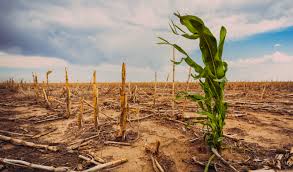
Recent analyses indicate that global food security is increasingly becoming a strategic priority for governments, investors, and markets worldwide. Rising climate extremes, geopolitical tensions, and shifting trade patterns are reshaping the risk landscape for agriculture, highlighting vulnerabilities in food systems across regions.
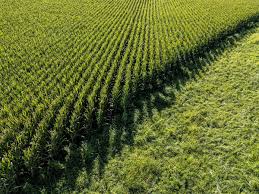
Experts warn that droughts, floods, and unpredictable weather events are increasingly impacting crop yields, while conflicts and supply chain disruptions are exacerbating food access challenges. As a result, governments and stakeholders are focusing on policies and investments that strengthen agricultural resilience, enhance supply chain stability, and support climate-adaptive farming practices.
“Ensuring food security today requires a coordinated approach that addresses both environmental and geopolitical risks,” noted a global agriculture analyst. “Investments in resilient crop varieties, sustainable practices, and innovative supply chain solutions are critical to safeguarding global food systems.”
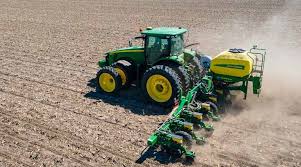
The analysis emphasizes that private sector engagement, regional collaboration, and technological innovation will play key roles in mitigating risks. Climate-smart agriculture, digital farming solutions, and diversified supply networks are emerging as essential strategies to maintain stable food production and distribution amid growing uncertainties.
With global food demand projected to rise, the need for resilient and adaptive agricultural systems is now more urgent than ever. Policymakers and industry leaders are being urged to act swiftly to secure long-term food stability.

 By
By