

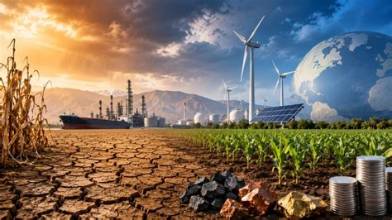
The global food system may be in a stronger position to withstand a potentially severe El Niño event than during previous periods of major climate disruption. Higher grain inventories, advances in agricultural technology and improvements in weather forecasting could provide important protection against production losses caused by extreme weather.
El Niño can significantly alter rainfall and temperature patterns across major agricultural regions. A strong event may bring drought to some farming areas while causing excessive rainfall in others. Such conditions can affect crop yields, livestock production and the availability of key agricultural commodities.
One of the biggest advantages for global food security is the relatively strong level of grain stocks. Near-record inventories could provide a buffer if production declines in certain regions. Countries and traders with adequate reserves may be better positioned to maintain supplies and reduce the immediate impact of temporary production disruptions.
Agricultural technology is also helping farmers prepare for changing weather conditions. Drought-tolerant seed varieties can allow crops to perform better under limited water availability. Improved plant genetics and breeding programs are increasingly focused on developing crops that can withstand heat, drought and other environmental stresses.
Better weather forecasting is another important tool. More accurate forecasts can help farmers make timely decisions about planting, irrigation, fertiliser application and harvesting. Governments and agricultural organisations can also use climate information to prepare supply and food-security measures before extreme conditions become severe.
Precision agriculture is further strengthening the sector’s ability to respond to weather variability. Technologies such as satellite monitoring, soil sensors, GPS-based machinery and data-driven farm management can help producers use water and other inputs more efficiently. These tools can be particularly valuable during periods of drought or irregular rainfall.
Improved irrigation systems can also reduce the vulnerability of crops to dry conditions. Efficient irrigation technologies allow farmers to deliver water more precisely, potentially reducing wastage while maintaining crop growth during critical development stages.
Despite these improvements, a severe El Niño could still create significant challenges. Agricultural commodities do not respond to climate conditions in the same way, and production risks vary by crop and region. Coffee, cocoa, sugar, palm oil and other tropical commodities may face particularly strong weather-related pressures depending on where extreme conditions develop.
Livestock producers could also face higher risks from heat stress, water shortages and reduced feed availability. Disruptions in one commodity market can also affect others as buyers shift toward alternative products.
Therefore, stronger inventories and improved technology should not be viewed as complete protection against a major climate event. Global food markets remain exposed to regional crop failures, trade disruptions and sudden changes in supply and demand.
The potential El Niño event nevertheless highlights how investments in agricultural resilience can reduce vulnerability. Maintaining strategic food stocks, expanding climate-smart farming practices, improving irrigation and strengthening weather-monitoring systems could help countries manage future climate shocks more effectively.
The global food system may be better prepared than before, but commodity-specific risks remain significant. Continued monitoring and early action will be essential to limit the potential impact of a major El Niño on farmers, markets and consumers.


 By
By











