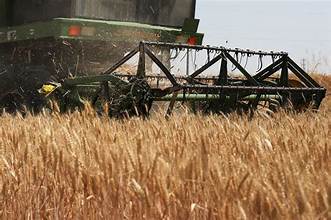
Global grain markets may have an important buffer against the potential impact of a powerful El Niño, as stronger harvests, increased production in major exporting countries and near-record grain inventories are providing additional supplies. These factors could help limit the immediate impact of weather-related disruptions on global food markets, although significant risks remain.
El Niño is a climate phenomenon caused by warmer-than-normal sea surface temperatures in the central and eastern Pacific Ocean. It can influence rainfall and temperatures across major agricultural regions, sometimes creating drought conditions in some areas while bringing excessive rainfall to others. A particularly strong El Niño could therefore create challenges for farmers and disrupt production of important crops such as wheat, corn and soybeans.
However, global grain inventories are currently providing some protection against a potential production shock. Higher yields in several major producing regions have contributed to stronger overall supplies. Expanded production in key exporting countries has also helped replenish stocks, giving traders, governments and food markets a larger cushion to absorb temporary disruptions.
Near-record global grain stocks are particularly important because agricultural markets can react sharply when production expectations fall. When inventories are limited, even a relatively small weather-related decline in output can result in substantial price increases. Larger stocks, by contrast, can allow countries and traders to draw on existing supplies while waiting for the next harvest.
Major grain exporters will remain central to the global supply outlook. The United States, Brazil, Argentina, Russia, Canada, Australia and other large producers play an important role in supplying international markets. Strong production in these countries can offset weaker harvests elsewhere and reduce the likelihood of severe global shortages.
Nevertheless, abundant stocks do not eliminate the risks associated with extreme weather. A prolonged or unusually intense El Niño could affect several agricultural regions simultaneously. Heatwaves, droughts, floods and irregular rainfall could reduce yields, damage crops and disrupt transportation and storage infrastructure.
Geopolitical developments represent another major source of uncertainty. Conflicts, trade restrictions, export controls, sanctions and disruptions to shipping routes can interfere with the movement of grain even when global supplies are adequate. Such disruptions could increase regional price differences and create food-security concerns for import-dependent countries.
Energy prices and fertilizer availability may also influence agricultural markets. Higher production and transportation costs could place additional pressure on farmers and consumers, particularly if weather disruptions coincide with geopolitical tensions.
For now, the combination of strong production and large global inventories provides a degree of reassurance to grain markets. It means that the world is entering a potentially challenging weather period with a relatively strong supply cushion.
However, market participants are likely to closely monitor crop conditions, weather forecasts, export policies and inventory levels in the coming months. If El Niño becomes stronger than expected or extreme weather affects several major producing regions at the same time, the existing stock cushion could come under pressure.
Overall, healthy global grain supplies offer an important line of defence against the potential effects of a “Super El Niño.” While current inventories may reduce the risk of an immediate global grain shortage, the combination of extreme weather and geopolitical uncertainty means that food and agricultural markets will remain highly sensitive to developments around the world.


 By
By