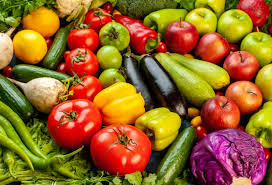
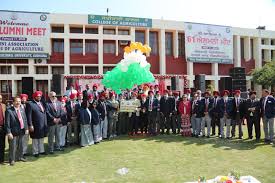
A growing coalition of international organizations is sounding the alarm on the interconnected challenges of land degradation, climate change, and uneven technological development in agriculture factors that collectively pose a significant threat to food security worldwide. New assessments from the Food and Agriculture Organization (FAO) and partners underscore that addressing these pressures will require coordinated investments in sustainable land management, smallholder empowerment, and resilient production systems.
According to recent analyses, global food production is increasingly constrained by depleted soils, extreme weather events, and monoculture practices that undermine biodiversity and long-term agricultural stability. Smallholder farmers, who produce a large share of food in low- and middle-income countries, are especially vulnerable. Many lack access to modern tools, climate-smart practices, and financial resources necessary to adapt to rapidly changing environmental conditions.
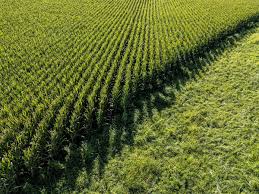
International agencies argue that reversing these trends will demand a comprehensive approach focused on land restoration and regenerative agriculture. Initiatives that rehabilitate degraded land—through soil conservation, agroforestry, and improved water management—have shown strong potential to boost productivity while reducing climate risk. Countries that have invested in such measures are already reporting increased yields and improved rural incomes.
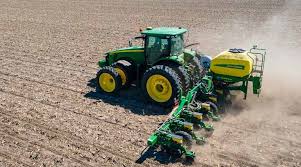
At the same time, technology access remains a decisive factor. Precision farming tools, drought-resistant crop varieties, and digital advisory services are transforming agriculture in many regions. Yet adoption remains highly uneven, leaving millions of smallholders without the innovations needed to cope with volatile weather patterns and market disruptions. Expanding digital infrastructure, strengthening extension services, and creating inclusive financing mechanisms are seen as critical steps.
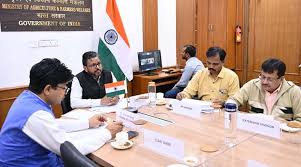
Policy reform is also high on the agenda. Experts emphasize that governments must align agricultural, environmental, and economic policies to support sustainable production rather than short-term expansion. Incentives for diversification, risk-sharing mechanisms, and climate-resilient infrastructure are becoming central components of national food security strategies.
Despite the scale of the challenge, momentum is building. Partnerships between governments, international institutions, and private-sector actors are accelerating investments in sustainable agriculture and rural development. As global demand for food continues to rise, leaders argue that such collaboration is essential to ensure resilient food systems that can support both people and the planet in the decades ahead.

 By
By