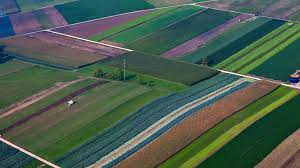
Despite growing awareness of climate change and food security challenges, sustainable agriculture continues to receive only a fraction of the global funding it needs, according to recent reports by international development organizations. While world leaders have increasingly emphasized the importance of transitioning to climate-resilient farming systems, actual financial support for these efforts remains far below required levels.
Experts note that sustainable agriculture which includes practices like organic farming, crop diversification, soil conservation, and efficient water use is critical to feeding the world’s population while reducing environmental harm. However, current investment patterns still heavily favor conventional, high-input agricultural systems that often contribute to soil degradation, greenhouse gas emissions, and biodiversity loss.
A 2024 analysis by the UN Food and Agriculture Organization and other development agencies revealed that less than 10% of public and private agricultural investment globally is directed toward sustainable practices. In contrast, the bulk of funding continues to flow into chemical-intensive farming and monoculture-based production models that offer short-term gains but pose long-term environmental and economic risks.
Smallholder farmers, especially in developing nations, are particularly affected by this imbalance. Although they produce a significant share of the world’s food, they often lack access to affordable financing, training, and technology that could help them adopt more sustainable approaches. Women farmers and marginalized communities face even greater barriers, making inclusive investment all the more urgent.
International climate finance pledges have also fallen short when it comes to agriculture. Many low- and middle-income countries have developed national plans to promote agroecology and climate-smart farming, but without adequate financial backing, implementation remains limited. Several climate adaptation funds have been slow to disburse agricultural support, and private investors often shy away due to perceived risks and long return horizons.
Agricultural policy experts argue that shifting investment priorities is essential for long-term food security. They are calling on governments, multilateral banks, and philanthropic foundations to increase targeted funding for sustainable farming systems, particularly those led by local communities. Greater transparency, better data collection, and incentives for green finance in agriculture are also key to closing the gap.
With climate change already impacting crop yields and water availability in many regions, the need to accelerate support for sustainable agriculture has never been more urgent. Without decisive financial action, global efforts to ensure resilient food systems and meet environmental goals may fall short.

 By
By