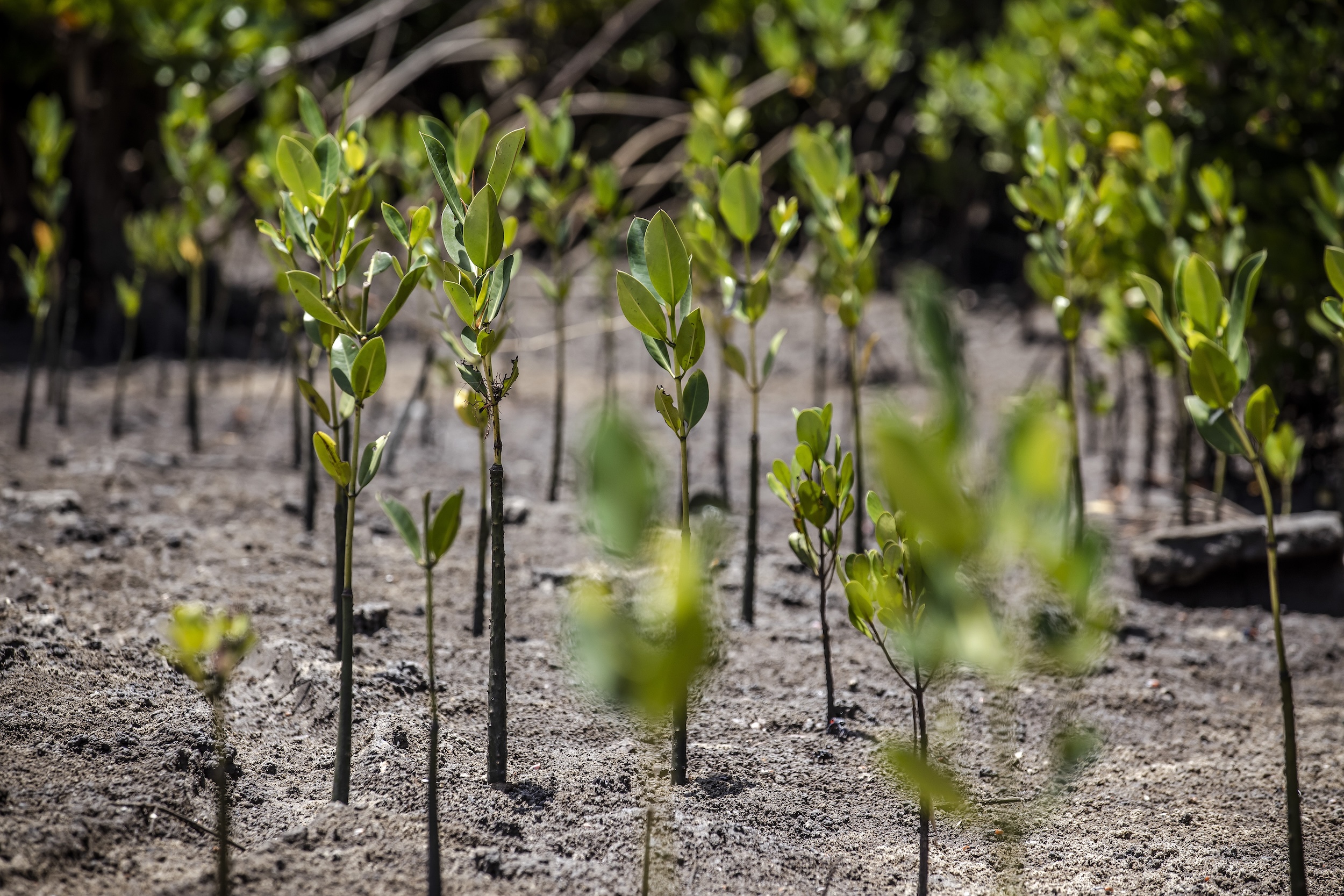
Global reforestation is on the rise, with five countries—China, Russia, India, Türkiye, and Australia—driving much of the increase, according to the Food and Agriculture Organization’s (FAO) 2025 State of the Forest report. The data highlights a notable recovery in forest stocks worldwide, marking a positive shift for climate action, biodiversity, and sustainable land use.
The FAO report indicates that these five nations are collectively responsible for a significant portion of new tree cover, thanks to large-scale planting initiatives, natural forest regeneration, and policies aimed at reversing deforestation. China and India, in particular, have expanded urban and rural tree-planting programs, while Russia and Australia have focused on restoring degraded lands and wildfire-affected areas. Türkiye has emphasized national afforestation projects, combining ecological restoration with climate adaptation strategies.
Experts note that this surge in forest cover has far-reaching implications. Reforestation contributes to carbon sequestration, helping mitigate climate change, while also enhancing soil quality, water regulation, and agricultural productivity. Additionally, expanding forest areas supports biodiversity, creating habitats for numerous species and fostering ecosystem resilience.
“The growth in global forest stocks is an encouraging sign that concerted policy efforts and community engagement can deliver tangible environmental outcomes,” said FAO forestry specialists. “These five countries demonstrate that large-scale reforestation is achievable and can provide multiple benefits for climate, food systems, and nature.”
However, the report also cautions that challenges remain. Rapid urbanization, land-use changes, and unsustainable logging practices continue to threaten forest health in other parts of the world. Ensuring the long-term success of reforestation efforts will require continued investment, monitoring, and integration of forests into broader agricultural and climate strategies.
FAO emphasizes that while these five countries are currently leading the global increase, worldwide collaboration is essential to meet international goals for forest restoration, climate resilience, and sustainable land management. The report calls for strengthened global partnerships, knowledge sharing, and the adoption of science-based approaches to forest management to sustain and expand these gains.
With forests playing a critical role in mitigating climate change and supporting agriculture, the FAO report underscores that large-scale reforestation is not just an environmental necessity but a strategic investment in the planet’s future.

 By
By