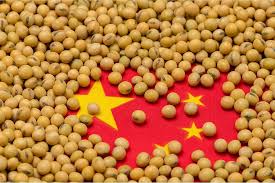
Global soybean trade patterns are undergoing a significant transformation as Brazil accelerates its production in response to the ongoing trade frictions between the United States and China. Reporting from AP News highlights that Chinese buyers have scaled back purchases of U.S. soybeans, prompting Brazil’s farmers to expand acreage, increase investment and position themselves as the leading suppliers in a shifting global market.
As China—the world’s largest soybean importer—reduces its reliance on U.S. supplies, Brazilian producers are seizing the opportunity to strengthen their foothold. Many farmers in major producing states have increased planting, boosted storage capacity and secured long-term contracts with Chinese firms. This rapid adaptation is reshaping global market shares, with Brazil steadily consolidating its role as the dominant soybean exporter.
The US–China trade dispute has not only altered purchasing patterns but has also influenced what farmers decide to grow. In the United States, uncertainty in export demand has left many growers reassessing whether to maintain soybean acreage or shift to alternative crops. In contrast, Brazilian farmers, encouraged by strong Chinese demand, are expanding production despite logistical challenges and environmental concerns.
Analysts note that these developments reflect a broader reality: geopolitical decisions can directly influence agricultural production, export strategies and global supply chains. Trade tensions, tariffs and diplomatic negotiations increasingly determine where commodities are grown and where they are shipped, often overriding traditional market indicators such as price signals or weather-driven supply expectations.
The situation also underscores how quickly global trade dynamics can change. A single policy shift—or diplomatic standoff—can redirect billions of dollars’ worth of trade flows, prompting farmers and exporters to realign their strategies. In this case, the US–China rivalry has paved the way for Brazil to tighten its grip on a crucial agricultural market.

 By
By