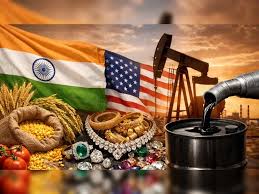
Continuing conflict involving Iran is increasingly straining key agricultural supply chains and raising the risk of higher food inflation, according to multiple trade and economic analyses. Disruptions around the Strait of Hormuz, a vital maritime route for energy, fertilizer, and other commodities, have constrained shipments and elevated input costs for farmers and food producers worldwide.
The Strait of Hormuz carries a large share of internationally traded fertilizers—including nitrogen, phosphate, and urea—along with significant volumes of oil and liquefied natural gas (LNG), which are essential feedstocks for fertilizer production. The near-halt of maritime traffic through the strait due to the conflict has tightened supply, pushed prices higher, and heightened logistical costs for global markets.
Market data show that fertilizer prices have climbed sharply, prompting some producers to reassess planting plans for the upcoming growing season. With fertilizer accounting for a substantial portion of crop production costs, elevated input prices could reduce application rates or shift crop choices toward less fertilizer-intensive varieties, potentially affecting yields of staple commodities like corn, wheat, and rice.
The disruption is occurring against a backdrop of broader inflationary pressures in energy and transport markets. Higher fuel costs and shipping delays are feeding through to food-related expenses, adding to concerns over rising global food prices that had only recently begun to stabilize from previous shocks.
Economists and supply-chain experts warn that the compounded impacts of geopolitical instability could have far-reaching consequences. Developing countries—many of which rely heavily on imported fertilizer and food commodities—are particularly vulnerable to price surges and supply constraints, which could reverse gains in food affordability and security.
While energy and agricultural markets continue to adjust to the evolving situation, policymakers and industry stakeholders are closely monitoring developments, with intensified calls for diversification of supply routes, enhanced storage strategies, and policy measures to mitigate inflationary risks for consumers and producers alike.


 By
By