A tragic accident involving a grain storage facility has once again highlighted the urgent need for greater safety awareness and training in the agriculture sector. Authorities and farm safety organizations are calling for renewed attention to the dangers of grain bins, which remain one of the leading causes of farm-related fatalities in many countries.
The Incident
The recent tragedy occurred when a farmer became trapped in a grain bin while attempting to break up clogged corn inside the structure. Despite rescue efforts by emergency services, the incident ended in loss of life, sending shockwaves through the local farming community. Investigators reported that the farmer was engulfed within minutes, underscoring how quickly such accidents can turn fatal.
Family members, neighbors, and fellow farmers gathered to mourn the loss, while safety advocates stressed that this case should serve as a wake-up call for the agricultural sector. “Every year we lose farmers to grain bin accidents. These deaths are preventable if proper safety practices are followed,” said a spokesperson from a national farm safety organization.
The Hidden Dangers of Grain Bins
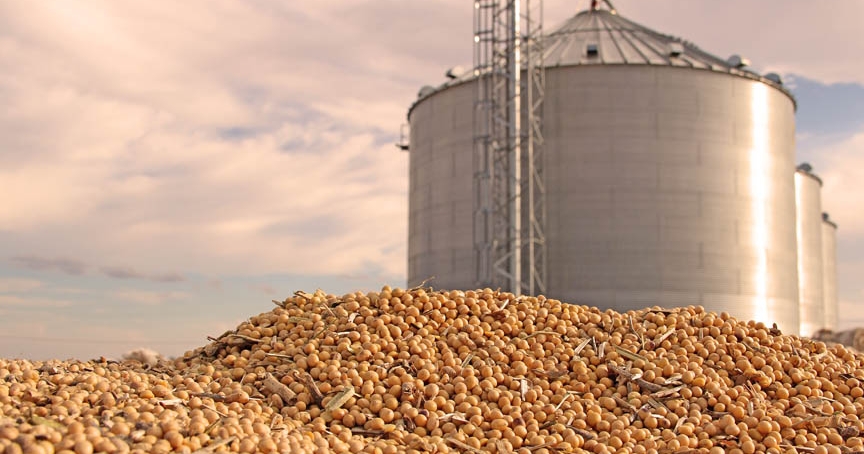
Grain bins are essential for storing crops like corn, soybeans, and wheat, but they can become deadly traps when safety procedures are not followed. Key hazards include:
- Grain engulfment: Flowing grain behaves like quicksand, pulling individuals under within seconds.
- Bridge collapse: Crusted grain can create a surface that appears solid, but when stepped on, it collapses, causing engulfment.
- Avalanche risk: Grain piled along the walls can suddenly slide down, burying anyone in its path.
- Toxic gases and dust: Moldy grain or fermentation can release dangerous gases, while grain dust can lead to respiratory issues.
According to agricultural safety studies, more than half of all grain bin entrapments result in fatalities, often because of the speed of engulfment and difficulty in rescue.
Safety Awareness Campaigns
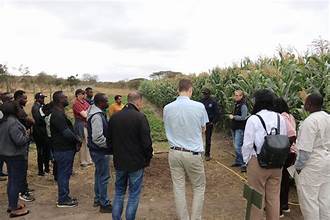
In the wake of this tragedy, farm safety groups and government agencies are intensifying campaigns to promote grain bin safety awareness. Training sessions, safety demonstrations, and community workshops are being organized in rural areas to teach farmers and farmworkers about proper entry procedures and emergency response.
Recommended safety practices include:
- Never entering a grain bin alone—always have a trained observer present.
- Locking out unloading equipment before entering.
- Using safety harnesses and lifelines properly secured outside the bin.
- Testing air quality inside bins before entry.
- Regularly maintaining grain to prevent crusting and clogging.
Some organizations are also distributing safety equipment such as rescue tubes, which allow emergency responders to stabilize and extract trapped individuals more effectively.
Voices from the Farming Community
Farmers and industry groups are urging their peers to treat grain bin safety with the seriousness it deserves. “We all want to get the job done quickly, but no harvest is worth a human life,” said one farmer who attended a recent safety workshop.
Many rural communities are sharing stories of past accidents in an effort to encourage greater caution. Families affected by grain bin tragedies have also become advocates, speaking publicly about their losses to prevent similar incidents from happening to others.
Policy and Industry Efforts
Beyond grassroots campaigns, there are growing calls for stricter safety regulations and greater access to training programs. Some states and agricultural organizations are lobbying for subsidies or grants to help farmers purchase safety equipment. Others are working with schools and agricultural colleges to include grain handling safety in training curricula for the next generation of farmers.
Industry leaders acknowledge that while modern farming increasingly relies on technology, simple safety practices can make the difference between life and death. “It takes only a few minutes to follow the right safety steps, but those minutes can save lives,” one agricultural safety official remarked.

 By
By