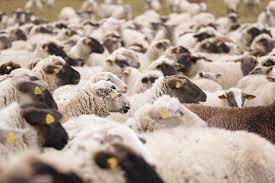
The Greek government is preparing proactive measures to safeguard its livestock sector amid concerns over the spread of sheeppox. Officials have stated that if the outbreak intensifies, the movement of sheep and goats across certain regions could be temporarily restricted to prevent further transmission.
Veterinary teams are already carrying out intensive monitoring, regular animal health checks, and targeted vaccinations in affected areas. Farmers have also been advised to immediately report any unusual symptoms in their livestock, ensuring that the disease can be contained quickly and effectively.
Experts note that restricting animal movement is a preventive step aimed at slowing the spread of the virus and protecting healthy herds. Such measures, combined with strict biosecurity practices, are expected to minimize economic losses and safeguard rural livelihoods dependent on sheep and goat farming.
Authorities have assured farmers that the government will extend full support, including guidance, resources, and necessary compensation, if additional restrictions are enforced. The goal, they emphasized, is to protect animal health while maintaining long-term stability in the livestock sector.
This initiative highlights Greece’s commitment to prioritizing food security and animal welfare by acting swiftly to control potential risks.

 By
By