Finance Minister Nirmala Sitharaman on Wednesday announced sweeping Goods and Services Tax (GST) reforms, aimed at providing relief to common citizens, the middle class, and especially farmers across the country. The reduction in GST rates on agricultural equipment, fertilizers, and modern farm technologies is expected to significantly cut input costs while giving a boost to mechanization and sustainable farming.
Big Relief on Farm Machinery
Under the new structure:
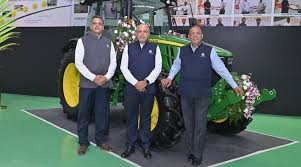
- GST on tractors has been reduced from 12% to 5%.
- Tractor tyres, tubes, and spare parts will now attract just 5% GST, down from 18%.
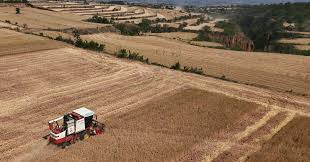
- Equipment such as drip and sprinkler irrigation systems, harvesters, threshers, fodder cutters, straw packers, and composting machines will also fall under the 5% slab.
The government noted that this move will particularly benefit small and marginal farmers, reducing their dependence on high-interest loans for purchasing expensive machinery.
Fertilizer Industry Gets Relief
Meeting a long-standing demand, GST on key raw materials for fertilizers — including ammonia, sulphuric acid, and nitric acid — has been slashed from 18% to 5%. This will correct the inverted duty structure, reduce production costs, and make fertilizers cheaper for farmers.
Push for Natural Farming
GST on bio-pesticides and micronutrients has been brought down from 12% to 5%, giving a boost to India’s Natural Farming Mission. Micronutrients listed under the Fertilizer Control Order, 1985 will now also be cheaper, helping improve soil health and reduce chemical dependence.
Support for Dairy and Food Processing
The dairy sector has received a major boost with GST exemptions and cuts:
- Milk and cheese will now be tax-free.
- Ghee and butter will attract only 5% GST, down from 12%.
- Steel and aluminum milk cans will also fall under the 5% slab, reducing costs for dairy processors.
In addition, GST reductions on fruits, vegetables, and marine products are expected to encourage investment in the food processing industry, ensure better prices for farmers, and reduce wastage by cutting cold storage and processing costs.
Benefits for Beekeeping and Forest Produce
GST on honey has been reduced, directly benefiting beekeepers. The rate on tendu leaves — crucial for rural livelihoods in states like Madhya Pradesh, Chhattisgarh, and Odisha — has been cut from 18% to 5%.
Boost for Irrigation and Renewable Energy
To promote sustainable irrigation, GST on solar-powered pumps and farm machinery has been lowered from 12% to 5%. This is expected to reduce irrigation costs and promote water conservation through renewable energy adoption.
Prime Minister’s Statement
Calling the reforms a “Diwali gift” to farmers and citizens, Prime Minister Narendra Modi said:
“This new generation of GST reforms is a gift to every Indian. They will ease the tax burden, make essential items cheaper, and give fresh momentum to our economy. For agriculture, these reforms mark a historic step toward increasing farmers’ income and promoting sustainable farming.”
What It Means for Farmers
- Lower machinery costs: Tractors and equipment will be more affordable.
- Water savings: Cheaper drip and sprinkler systems will boost irrigation efficiency.
- Support for natural farming: Reduced taxes on bio-inputs will encourage organic and eco-friendly practices.
- Cheaper repairs: Lower GST on tractor parts will cut maintenance expenses.
This comprehensive GST package is being hailed as the biggest tax relief for India’s agriculture sector to date. By lowering production costs, encouraging modern technologies, strengthening food processing, and boosting exports, the reforms are expected to give a strong push to rural growth and farmer welfare.
The new GST rates will come into effect from 22 September 2025.

 By
By