

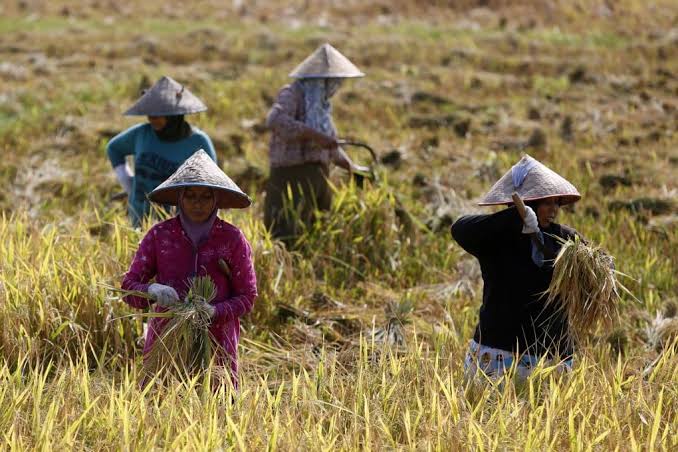
A recent Oxford University study has identified Bangkok (Thailand) and Ho Chi Minh City (Vietnam) among the world’s most heat-vulnerable cities, highlighting the growing impact of climate change on urban populations, agriculture, and regional food security. The findings underscore how rising temperatures, prolonged heatwaves, and increasing water shortages are placing unprecedented pressure on farming systems across Southeast Asia.
According to the study, rapid urbanization, dense populations, and the urban heat island effect are making many Southeast Asian cities increasingly susceptible to extreme heat. However, the consequences extend far beyond cities, with surrounding agricultural regions facing severe challenges in maintaining crop productivity under changing climatic conditions.
Agriculture is particularly vulnerable to prolonged periods of extreme heat. High temperatures reduce the efficiency of photosynthesis, accelerate crop maturity, and increase water loss through evaporation and plant transpiration. As a result, staple crops such as rice, maize, vegetables, and fruits may experience lower yields, poorer grain quality, and greater susceptibility to pests and diseases.
Rice production, which is central to the economies and food security of Southeast Asian countries, is especially at risk. Excessive heat during flowering and grain-filling stages can significantly reduce grain formation and overall productivity. Combined with declining water availability, these conditions could threaten regional food supplies and increase dependence on imports.
Water scarcity is emerging as another major concern. Rising temperatures increase evaporation from reservoirs, rivers, and agricultural fields, while irregular rainfall patterns reduce water availability for irrigation. Farmers in many parts of Thailand, Vietnam, and neighboring countries are already experiencing growing competition for limited water resources, making efficient irrigation and water conservation increasingly important.
Livestock production is also affected by extreme heat. Heat stress reduces feed intake, milk production, fertility, and weight gain in cattle, poultry, and other farm animals. These impacts can lower farm incomes and reduce the availability of meat, milk, and eggs in domestic markets.
Beyond agriculture, prolonged heatwaves pose serious public health and economic challenges. Higher temperatures increase energy demand for cooling, strain healthcare systems, reduce labor productivity, and raise the risk of heat-related illnesses, particularly among outdoor workers, including millions employed in agriculture.
The Oxford University study highlights the urgent need for climate adaptation strategies across Southeast Asia. Experts recommend expanding climate-resilient farming practices, promoting heat-tolerant crop varieties, improving irrigation efficiency, strengthening water management systems, and enhancing weather forecasting services to help farmers prepare for extreme weather events.
Digital agriculture and precision farming technologies are also expected to play a growing role in helping farmers adapt. Satellite monitoring, AI-based weather forecasting, soil moisture sensors, and mobile advisory services can provide real-time information that supports better decision-making and improves resource-use efficiency.
Governments across the region are increasingly investing in climate-smart agriculture, sustainable water infrastructure, and research aimed at developing crops capable of withstanding higher temperatures and prolonged drought. International collaboration will also be essential in sharing technologies, research, and best practices to strengthen regional resilience.
The Oxford University findings serve as a timely reminder that climate change is no longer a distant threat but a present-day challenge affecting both urban and rural communities. As heat risks continue to rise across Southeast Asia, building resilient agricultural systems, improving water security, and investing in sustainable farming innovations will be critical to safeguarding food production, protecting farmer livelihoods, and ensuring long-term food security for millions of people.


 By
By











