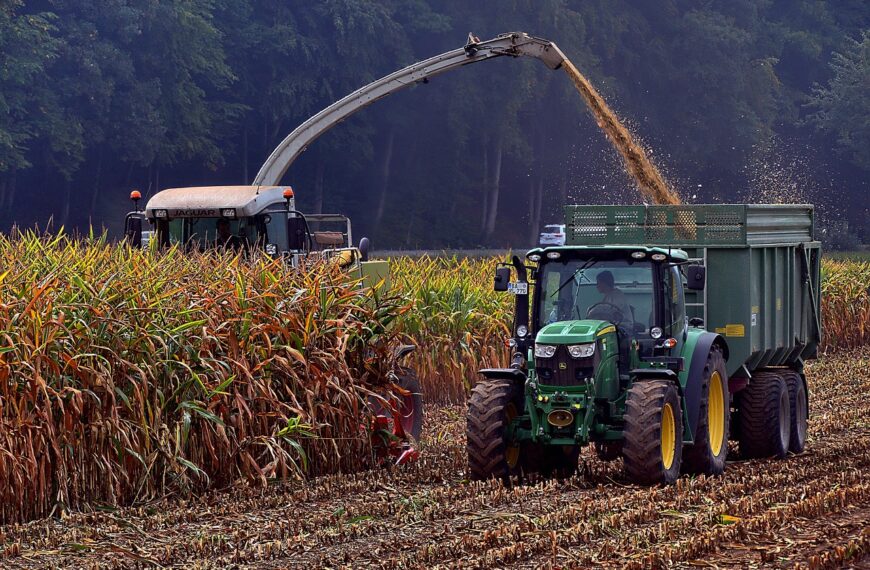
In a significant move aimed at driving sustainable growth and rural development, the Government of India has approved a ₹50,000 crore package focused on strengthening the agriculture and renewable energy sectors. The comprehensive initiative, cleared during a recent Cabinet meeting, is designed to enhance energy security in rural areas, promote green technologies, and improve the livelihoods of millions of farmers across the country.
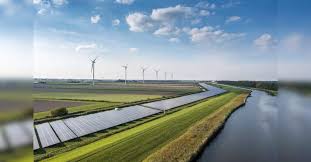
A major portion of the funding will be directed toward the expansion of the Pradhan Mantri Kisan Urja Suraksha evam Utthaan Mahabhiyan (PM-KUSUM) scheme, which promotes solar-powered irrigation and the installation of decentralized renewable energy systems on farmlands. This move is expected to reduce farmers’ dependence on diesel and grid electricity, while simultaneously cutting carbon emissions and operational costs. The scheme aims to install solar pumps and grid-connected solar power plants, enabling farmers to become both energy producers and consumers.
The package also allocates significant funds for setting up bio-energy projects, such as compressed biogas (CBG) and biomass power plants, which will utilize crop residues and other organic waste. This step not only supports India’s climate goals but also addresses the issue of stubble burning in states like Punjab and Haryana. The government plans to offer viability gap funding and financial incentives to encourage private investment in the bio-energy sector.
In addition, the initiative will support the creation of farmer-producer organizations and cooperatives involved in renewable energy generation and distribution, helping to create decentralized, community-led energy solutions. Special focus will be placed on marginalized farmers, including women and smallholders, to ensure inclusive access to clean energy infrastructure and financial assistance.
According to government officials, this funding boost is aligned with India’s broader climate commitments and sustainable development goals. It aims to double farmers’ incomes, reduce the carbon footprint of agriculture, and promote energy independence at the grassroots level. The Cabinet’s approval also includes policy measures to streamline the approval process for renewable energy projects and enhance coordination between central and state agencies.
Experts have welcomed the announcement as a much-needed push for both agriculture and the clean energy transition. They believe this investment will catalyze new job opportunities, reduce pollution, and strengthen rural economies by creating climate-resilient farming systems.
The ₹50,000 crore package is expected to be rolled out in phases over the next few years, with detailed implementation plans to be announced soon by the Ministries of Agriculture and New and Renewable Energy. This landmark decision marks a bold step toward building a greener, more sustainable rural economy in India.


 By
By