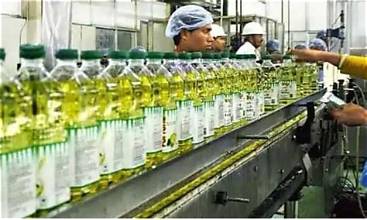
India has reduced import duties on several edible oils in a move that could influence domestic supplies, import demand and international vegetable oil trade. The changes cover crude palm oil and crude soybean oil, while the duty structure for refined oils has also been revised.
According to the information provided by Grain Central Market Report, the import duty on crude palm oil and crude soybean oil has been reduced from 10% to 5%. At the same time, the duty on refined oils has been lowered from 32.5% to 27.5%.
The policy change also removes the import duty on crude sunflower oil, potentially improving its competitiveness in the Indian market.
Lower Duties Could Encourage Imports
India is one of the world’s major edible oil markets and relies significantly on imports to meet domestic consumption requirements.
A reduction in import duties can lower the tax component associated with imported vegetable oils, potentially improving the economics of overseas purchases. Importers and refiners may therefore reassess procurement plans depending on international prices, freight costs, currency movements and domestic demand.
Lower duties could also increase competition among different vegetable oil varieties in the Indian market.
Crude palm oil and soybean oil are widely used by the edible oil processing industry, while sunflower oil is an important consumer product in several parts of the country.
Impact on Global Vegetable Oil Trade
India’s import requirements have significant implications for international vegetable oil markets because changes in its purchasing demand can affect major exporting countries.
Palm oil suppliers, particularly those in Southeast Asia, closely monitor Indian buying activity. Soybean oil supplies are linked to major producers and exporters in the Americas, while sunflower oil is an important export commodity for countries in the Black Sea region.
If lower duties result in increased Indian imports, exporters could see stronger demand from one of the world’s largest edible oil markets.
The extent of the impact will depend on how importers respond to the revised duty structure and how global vegetable oil prices develop.
Competition Between Edible Oils Could Increase
The changes may also influence competition among different types of vegetable oils.
When the relative prices of palm, soybean and sunflower oils change, refiners and consumers can adjust their purchasing preferences. Importers may compare international prices, availability, quality and processing costs before selecting supplies.
A more competitive pricing environment could therefore alter the composition of India’s edible oil imports.
For global suppliers, access to the Indian market could become increasingly important as companies compete for demand under the revised tariff structure.
Implications for Indian Refiners and Consumers
Domestic edible oil refiners could benefit from lower duties on crude oils if imported raw materials become more competitive. Refiners can process crude vegetable oils domestically before supplying finished products to the market.
For consumers, the ultimate effect will depend on international oil prices, exchange rates, domestic processing costs, transportation expenses and retailer pricing. A reduction in import duties does not automatically translate into an equivalent reduction in retail prices.
Government policy will also need to balance consumer interests with the position of domestic oilseed farmers and processors.
Outlook for the Vegetable Oil Market
India’s revised edible oil import duties could become an important development for international vegetable oil trade during the 2026–27 marketing season.
Lower duties on crude palm and soybean oils, reduced duties on refined oils and the removal of duty on crude sunflower oil may encourage importers to reassess sourcing strategies.
The coming months will show how strongly Indian import demand responds to the changes. Global suppliers, commodity traders and domestic processors are likely to closely monitor import volumes, price movements and the changing balance between palm, soybean, sunflower and other edible oils.

 By
By