Global grain markets are facing renewed upward price pressure as concerns over corn production, strong consumption and international trade disruptions reshape the supply outlook for the 2026–27 marketing year. Growing uncertainty surrounding global grain availability is drawing attention from farmers, traders, livestock producers and agricultural policymakers.
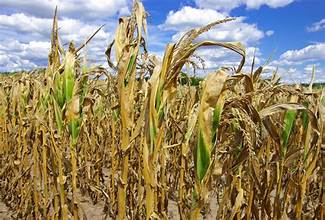
According to USDA projections cited in the supplied Reuters report, global corn production could fall nearly 30 million tonnes short of consumption. If realised, the deficit would represent the largest gap between global corn production and consumption in more than three decades.
The tightening supply outlook is adding to volatility in international grain markets, with developments in major producing and exporting countries influencing commodity prices and trade expectations.
Global Corn Supply Faces Growing Pressure
Corn is one of the world’s most widely cultivated cereal crops, serving as a critical raw material for animal feed, food processing, ethanol production and several industrial applications.
A significant production shortfall relative to consumption could increase pressure on global inventories, particularly if demand remains strong across major importing countries.
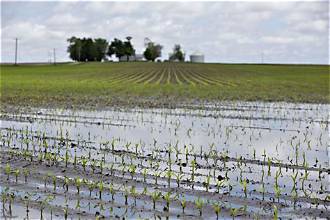
Corn availability is closely linked to agricultural conditions in major producing nations, including the United States, Brazil, Argentina and Ukraine. Changes in planted acreage, weather conditions and crop yields can significantly influence international supply.
If production declines while consumption continues to expand, importing countries may face increased competition for available supplies. This could contribute to higher procurement costs for feed manufacturers, poultry producers and other businesses dependent on corn.
However, the final market impact will also depend on beginning inventories, export availability, demand adjustments and the extent to which other grain supplies can substitute for corn.
Black Sea Disruptions Add Trade Uncertainty
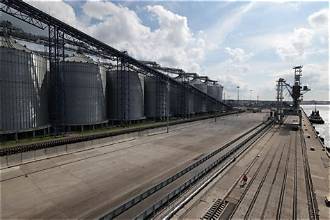
Continuing disruptions to shipping and grain transportation through the Black Sea are creating additional uncertainty for international agricultural markets.
The region plays an important role in global grain exports, particularly for wheat and corn. Changes in shipping availability, transportation costs and export operations can affect the timing and competitiveness of agricultural supplies reaching international buyers.
When shipments from major exporting regions become less predictable, grain importers may seek alternative suppliers, potentially changing trade flows and increasing demand for grain from other producing countries.
These adjustments can influence freight rates, regional price differences and purchasing decisions across global commodity markets.
Brazil’s Ethanol Demand Influences Corn Markets
Brazil’s expanding ethanol sector is another important factor influencing the global corn supply outlook.
Corn-based ethanol production creates additional demand for the crop alongside its traditional uses in livestock feed and food processing.
As ethanol production increases, a larger share of domestic corn supplies may be directed toward industrial processing. This can influence export availability and domestic grain prices, depending on production levels and consumption patterns.
Changes in Brazilian crop acreage and the balance between domestic demand and exports will therefore remain important considerations for international grain traders.
Implications for Farmers and Agricultural Markets
Rising grain prices can create opportunities for farmers with marketable surplus, but higher corn costs may increase expenses for livestock and poultry producers.
Feed manufacturers could face additional pressure on production costs, potentially affecting prices across animal protein supply chains.
For importing countries, the combination of tighter supplies, shipping disruptions and stronger industrial demand highlights the importance of diversified sourcing, adequate reserves and efficient grain procurement strategies.
Outlook for the 2026–27 Marketing Year
Global grain markets will closely monitor crop production estimates, export availability, consumption trends and inventory levels in the coming months.
The projected corn deficit signals a potentially tighter supply-demand balance, although actual market conditions will depend on harvest outcomes and subsequent revisions to production and consumption forecasts.
For farmers, traders and food policymakers, the 2026–27 marketing year is shaping up to be a period in which crop yields, trade logistics and demand from the feed and biofuel sectors play significant roles in determining international grain prices.

 By
By