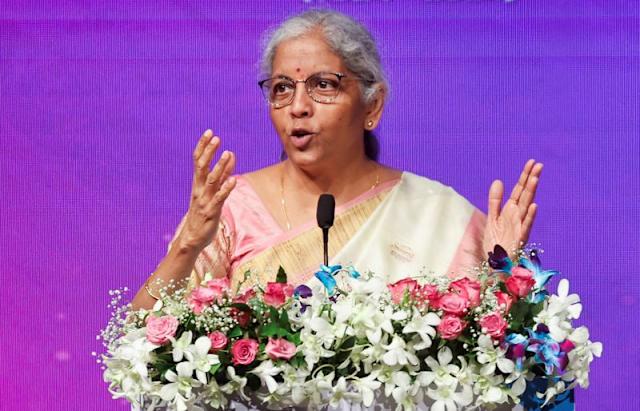
India has firmly stated that agriculture and dairy are non-negotiable issues in its ongoing trade negotiations with the United States, drawing a clear red line to protect the interests of its farmers. Speaking in a recent interview, Finance Minister Nirmala Sitharaman emphasized that while India is open to a broad and mutually beneficial trade agreement, its agricultural sector particularly dairy and food security will not be compromised under any circumstances.
As both countries work toward a potential trade deal ahead of the self-imposed July 9 deadline, agriculture remains one of the most contentious areas. The United States has pushed for greater market access for its farm goods, including wheat, corn, dairy products, ethanol, and genetically modified crops. However, India has reiterated that opening up its markets to such imports would risk the livelihoods of millions of smallholder farmers and undermine its long-standing food security framework.
India currently maintains some of the highest tariffs on agricultural imports in the world averaging around 38% with even steeper duties on sensitive products like dairy and rice. Reducing these tariffs could not only create political backlash domestically but also flood local markets with foreign goods that Indian farmers would struggle to compete against. As a result, Indian officials have made it clear that any deal with the US must preserve the country’s agricultural autonomy and rural economy.
While progress has been made in other areas such as trade in pharmaceuticals, energy, alcoholic beverages, and certain industrial goods agriculture continues to be a sticking point. According to trade analysts, it is likely that the two countries may settle for a limited “early harvest” agreement in the short term, deferring more difficult topics like agriculture and digital trade to future discussions. Indian sources suggest that a broader and more comprehensive agreement could still be finalized later in the year, possibly by autumn.
Minister Sitharaman expressed optimism about the trade talks overall but underscored that the final agreement must reflect India’s national interests. She noted that India is also pursuing trade negotiations with other global partners, including the European Union and the United Kingdom, which gives the country more room to avoid rushing into a deal with the US.
With the July 9 deadline approaching, all eyes are on how both sides navigate these sensitive issues. While the US is eager to secure a deal before that date, especially to avoid the possible reimposition of retaliatory tariffs on Indian goods, India appears willing to wait for a better, more balanced agreement one that protects its agricultural backbone and ensures economic stability for its rural population.

 By
By