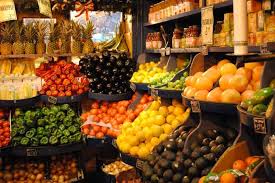
India is undergoing a structural transformation in its agricultural export basket, moving beyond its traditional dominance in staples such as rice and wheat to position fruits and vegetables as major growth engines. This diversification reflects evolving global consumption patterns, stronger supply-chain integration, and policy-driven support for high-value horticulture.
Over the past three decades, India’s horticulture output has expanded significantly, supported by research, improved planting material, protected cultivation, and post-harvest infrastructure development. According to data from the Ministry of Agriculture and Farmers Welfare, horticulture production now exceeds foodgrain output in volume terms, underlining the scale of the shift.
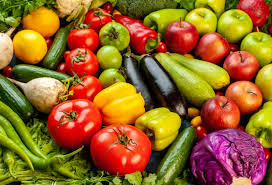
Fresh produce exports—including grapes, bananas, mangoes, pomegranates, onions, and mixed vegetables—are gaining traction in markets across the Middle East, Europe, and Southeast Asia. Export facilitation by the Agricultural and Processed Food Products Export Development Authority (APEDA) has played a central role in improving quality standards, traceability systems, and compliance with phytosanitary requirements. Enhanced cold-chain logistics, packhouse infrastructure, and certification mechanisms have further strengthened India’s competitiveness.
This shift is also demand-driven. Globally, consumers are increasingly prioritizing fresh, nutrient-dense foods, creating opportunities for suppliers capable of delivering consistent quality at scale. India’s diverse agro-climatic zones allow year-round production of a wide variety of fruits and vegetables, offering a natural comparative advantage in seasonal exports.
The expansion of greenhouse farming, drip irrigation, and climate-resilient crop varieties is enabling more stable yields despite weather variability. At the same time, value-chain integration linking farmers with exporters, processors, and modern retail—has reduced inefficiencies and improved price realization at the farm gate.
From a trade perspective, the growing share of fresh produce in India’s export portfolio contributes to higher value per unit of output compared to bulk cereals. This enhances foreign exchange earnings and strengthens India’s role in global food supply chains. However, challenges remain, including post-harvest losses, logistics costs, and the need for deeper penetration into premium markets.
Strategically, the rise of horticulture-led exports signals a broader evolution in India’s agricultural economy—from volume-centric grain production toward value-oriented, market-responsive cultivation. If supported by sustained investment in infrastructure, quality assurance, and trade facilitation, India’s emergence as a fresh produce powerhouse could significantly reshape regional supply dynamics and global agricultural trade balances in the coming decade.

 By
By