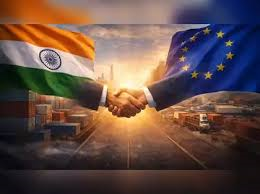
The newly finalized India–European Union free trade agreement (FTA) is being widely viewed as a potential boost for India’s agricultural exports, with experts saying the pact could open new market opportunities if supported by improvements in infrastructure and compliance with quality standards.
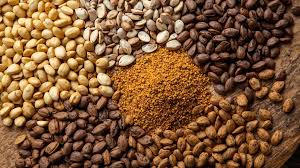
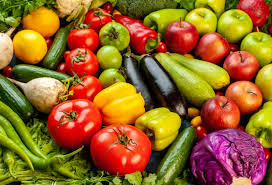
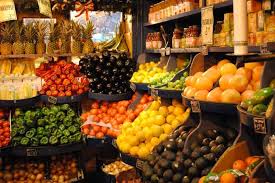
Under the agreement, tariffs on a range of agricultural and processed food products are expected to be reduced or gradually eliminated, improving India’s competitiveness in the EU market. Products such as rice, spices, tea, coffee, fruits, vegetables, and value-added food items are likely to benefit from easier market access and more predictable trade rules.
Trade analysts note that the EU represents a high-value but highly regulated market. While the FTA lowers trade barriers, success will depend on India’s ability to meet strict European standards related to food safety, traceability, pesticide residues, and sustainability. Strengthening testing facilities, certification systems, and cold-chain logistics will be critical to fully leverage the agreement.
India’s agricultural exporters have welcomed the pact, saying it could help diversify export destinations and reduce dependence on a limited number of markets. Greater access to the EU could also encourage higher value addition and branding of Indian farm products, improving returns for exporters and farmers alike.
However, experts caution that challenges remain. Many small and medium exporters may struggle with compliance costs, while gaps in storage, transport, and port infrastructure could limit export growth. Addressing these issues through public and private investment will be essential to ensure broader participation across the agricultural sector.
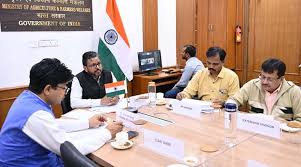
Government officials have indicated that efforts are underway to align domestic standards with international norms and support exporters through training and capacity-building programs. Farmer producer organizations and agri-export clusters are also expected to play a role in aggregating supply and improving consistency.
Overall, analysts believe the India–EU free trade pact offers a significant opportunity for agricultural trade expansion. With coordinated policy support and infrastructure upgrades, the agreement could strengthen India’s position in global agri-food markets and support long-term growth in farm exports.

 By
By