India has established a dedicated monitoring cell to oversee the availability of essential agricultural inputs—particularly seeds and fertilisers—as geopolitical tensions in West Asia continue to disrupt global supply chains. The initiative, introduced by the Ministry of Agriculture and Farmers’ Welfare, aims to ensure uninterrupted access to critical inputs ahead of key cropping seasons.
The special cell will function as a real-time coordination and surveillance mechanism, closely tracking import flows, domestic stocks, logistics movements, and state-level distribution patterns. Officials noted that the unit will work with fertiliser companies, seed corporations, port authorities, and state agriculture departments to prevent bottlenecks and address shortages swiftly.
Tensions in West Asia have created volatility in global markets for urea, DAP, potash, and other essential fertilisers, while also influencing shipping timelines and freight costs. By strengthening monitoring capabilities, the government seeks to mitigate the impact of these external disruptions on Indian farmers, who rely heavily on timely input availability for sowing and yield optimisation.
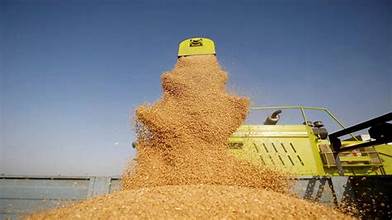
The cell is also expected to provide early-warning alerts, conduct weekly assessments, and recommend corrective interventions such as alternative sourcing, stock reallocation, or adjustments in supply logistics. According to ministry officials, maintaining a stable supply of seeds and fertilisers is crucial to safeguarding production targets for major crops, including rice, wheat, pulses, and oilseeds.
Sector analysts have welcomed the move, noting that enhanced oversight will help maintain transparency, reduce administrative delays, and support informed decision-making at both central and state levels.
With the creation of this monitoring cell, India has taken a proactive step to bolster input security, protect farmer preparedness, and maintain agricultural resilience amid ongoing global uncertainties.

 By
By