

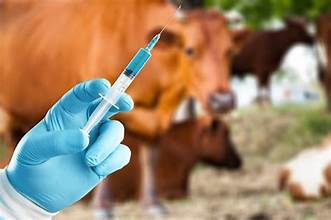
Russia has launched a major overhaul of its animal vaccine production framework following a recent cattle disease outbreak in the Novosibirsk region. In response to livestock losses and concerns about biosecurity vulnerabilities, the government has approved the merger of key state enterprises to create a more consolidated and resilient vaccine manufacturing system.
Officials in Moscow stated that integrating these institutions will expand national capacity for developing, producing, and distributing veterinary vaccines. The move is also aimed at strengthening Russia’s biotechnology independence—reducing reliance on imported vaccines and accelerating domestic R&D for emerging livestock diseases.
The cattle outbreak highlighted gaps in preparedness and underscored the need for faster vaccine turnaround times. By consolidating resources, expertise, and laboratory infrastructure, the government expects to improve efficiency across the entire vaccine production pipeline, from strain selection and testing to mass manufacturing and field deployment.
According to the Ministry of Agriculture, the unified structure will prioritize vaccines for high-impact diseases affecting cattle, poultry, and small ruminants. It will also invest in modern biotechnological platforms, including advanced diagnostics, genetic sequencing, and rapid-production technologies.
Veterinary specialists note that such restructuring is critical for enhancing national animal health security, especially as global disease risks rise due to climate pressures, increased trade, and pathogen evolution.
The Russian government emphasized that the upgraded system will ensure quicker response capabilities during outbreaks, protect livestock-based economies, and support long-term agricultural stability.


 By
By











