NITI Aayog has unveiled a comprehensive “Roadmap for Frontier Technology–Led Transformation” aimed at reshaping India’s agriculture sector through advanced digital and scientific innovations. The strategy positions India to accelerate its transition toward climate-resilient, data-driven, and productivity-focused farming.
According to the roadmap, technologies such as Artificial Intelligence (AI), the Internet of Things (IoT), digital twins, climate-resilient seeds, and robust data infrastructure will be at the heart of this transformation. NITI Aayog stresses that integrating these tools across the agricultural value chain can significantly improve farm efficiency, reduce losses, and strengthen food security.
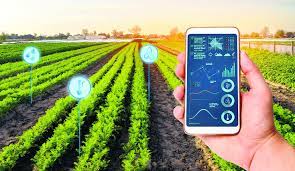
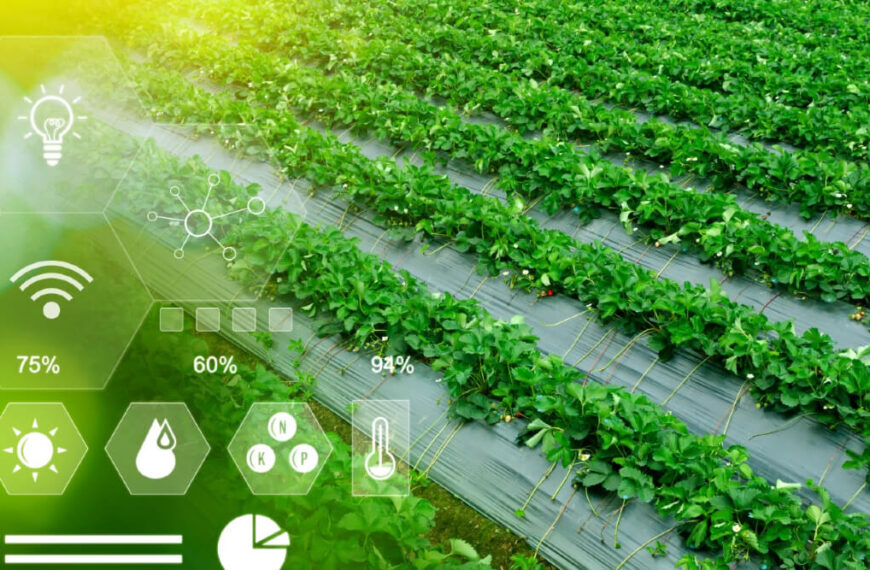
AI-based decision support systems are expected to help farmers make more precise choices on crop selection, irrigation, nutrient management, and pest control. IoT-enabled devices—such as smart sensors and automated monitoring tools—will allow real-time tracking of soil health, weather conditions, and crop performance.
The roadmap also highlights the potential of digital twins, a cutting-edge technology that creates virtual replicas of farms or production systems. These digital models can simulate extreme weather scenarios, forecast yield risks, and help policymakers design targeted interventions.
Another major focus is the development and deployment of climate-resilient seed varieties, essential for adapting to rising temperatures, erratic rainfall, and emerging pests. Strengthening agricultural data infrastructure, including unified databases and farmer-centric digital platforms, will support innovation, transparency, and better policy planning.
NITI Aayog emphasizes the need for strong collaboration between government, research institutions, agritech startups, and private players to ensure the rapid and equitable adoption of these technologies. The roadmap envisions a future where Indian agriculture becomes more sustainable, globally competitive, and resilient to climate challenges.

 By
By