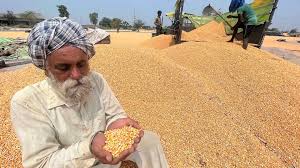
Farmer groups across India have urged the government to clearly spell out how the agriculture sector will be treated in the proposed trade agreement with the United States, amid growing concerns over potential market impacts. While official statements have repeatedly assured that agriculture and dairy interests will be protected, farmer organisations are seeking greater transparency on the scope and terms of the negotiations.
Agriculture remains a politically and economically sensitive sector in India, supporting the livelihoods of a large section of the population. Farmer unions argue that even limited concessions on tariffs, quotas, or regulatory standards could affect domestic prices and expose small and marginal farmers to international competition. As reports suggest the India–US trade pact is nearing finalisation, these concerns have gained renewed urgency.
Representatives of farmer groups have said that past trade agreements and policy shifts have often been announced without sufficient consultation, leaving producers uncertain about long-term implications. They are calling for detailed disclosures on whether specific crops, dairy products, or allied activities are part of the negotiations, and how safeguards will be implemented in practice.
The dairy sector, in particular, remains a major point of concern. India is the world’s largest milk producer, but the industry is dominated by smallholders and cooperative models rather than large commercial farms. Farmer leaders fear that any opening of the sector could lead to cheaper imports, price volatility, and pressure on rural incomes. Cultural and production-related considerations have also been highlighted as reasons for keeping dairy outside trade liberalisation.
The government, however, has maintained that agriculture and dairy are red-line sectors. Union Commerce and Industry Minister Piyush Goyal has publicly reiterated that India will not compromise on the interests of farmers or dairy producers in any trade deal with the US. Officials have indicated that sensitive farm segments are being explicitly protected and kept out of tariff reduction commitments.
Despite these assurances, farmer groups insist that formal communication is essential to build confidence. They are demanding stakeholder consultations and a clear policy brief outlining how the agreement aligns with food security goals and farmer welfare.
Trade experts note that while India is keen to deepen economic ties with the US, managing domestic expectations is equally critical. Clear messaging, they argue, will help prevent misinformation and ease apprehensions within the farming community.
As negotiations progress, the government faces the challenge of balancing strategic trade objectives with the need to reassure farmers that their interests will remain fully safeguarded under the proposed India–US trade agreement.

 By
By