India’s thriving biostimulant industry one of the key pillars of modern, climate-resilient farming is facing a critical regulatory crossroads as industry leaders urge the government to accelerate approvals and streamline processes under the Fertiliser Control Order (FCO). The Biological Agri Solutions Industry Association (BASAI), representing the country’s top biostimulant manufacturers, has called for immediate policy action to safeguard the future of this essential agri-input segment.
Despite decades of proven use by Indian farmers and validation from over 261 university-led field trials, the biostimulant industry is grappling with a regulatory deadlock following the expiry of G3 certifications, which had previously allowed provisional nationwide sales. Companies that had fully complied with the FCO’s three-stage approval process submitting extensive data on efficacy, safety, and product quality are now stuck in limbo, with no clear mechanism in place to continue selling their products.
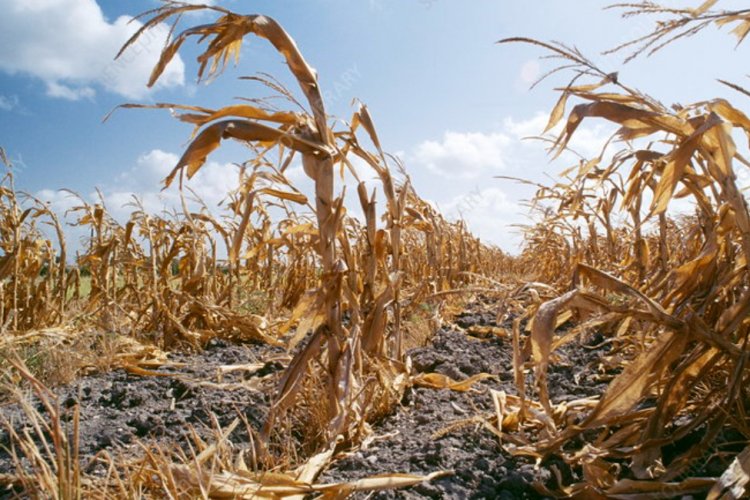
“These products such as humic acids, seaweed extracts, amino acids, and protein hydrolysates have supported Indian farmers for more than 25 years, helping crops withstand drought, heat, and other climate stresses,” said a BASAI spokesperson. “Farmers themselves have recognized their value in protecting yields and maintaining soil health. Today, however, the industry is struggling to make these proven solutions available at a time when they are needed most.”
India’s biostimulant market, estimated at 1 lakh metric tonnes and 10,000 kilolitres annually, supports over 250 manufacturers, 10,000 formulators, and 100 importers, catering to more than 100 different crops. Introduced in 2021, the FCO biostimulant guidelines aimed to bring much-needed regulatory structure to this sector. However, while over 38,000 G3 applications were submitted, only 45 products have been granted permanent approval under Schedule VI as of July 2025.
The delay in state-level implementation of approved products, coupled with inadequate infrastructure for sample testing and licensing, has created a bottleneck. As a result, product availability for the ongoing Kharif season has sharply declined, with industry losses estimated at ₹3,500–₹4,000 crore. The hardest-hit players are SMEs and MSMEs, which form the backbone of India’s biostimulant manufacturing ecosystem.
What sets this crisis apart is its strategic impact on India’s agricultural self-reliance. Most biostimulant products are 100% indigenously developed, customized for Indian soils and climate, and designed to reduce import dependency. The sector also holds great potential for advancing India’s goals of sustainable agriculture, carbon reduction, and improved farmer resilience in the face of climate change.
To address the crisis and unlock the industry’s full potential, BASAI has proposed a three-pronged regulatory response:
- Immediate interim approvals for all products with expired G3 certifications and completed G submissions.
- Fast-track clearance for products backed by robust data, especially those validated by ICAR and State Agricultural Universities.
- Establishment of a long-term, science-based regulatory framework under the FCO that clearly defines biostimulant categories and streamlines the approval pipeline.
Industry stakeholders believe that with proper regulatory support, India’s biostimulant sector could become a global leader, driving agricultural innovation while creating new opportunities for startups, exporters, and rural employment.
As India moves toward more climate-resilient and sustainable farming, ensuring timely access to biostimulants may prove to be not just an industry need but a national priority.


 By
By