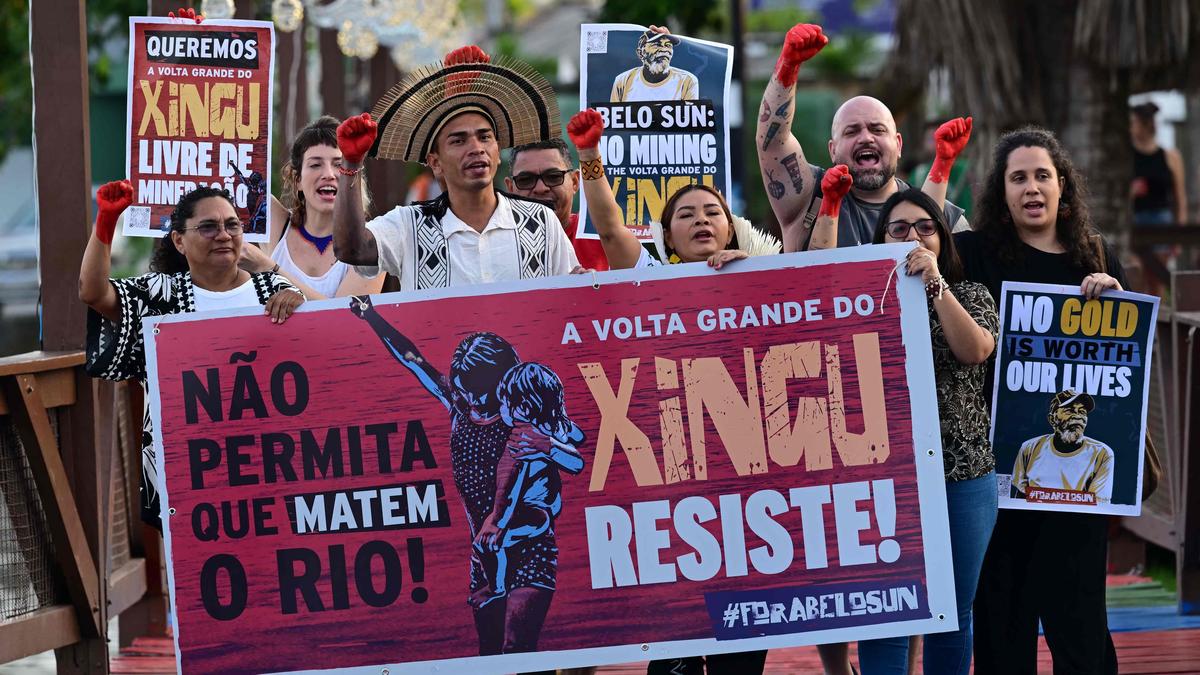
The COP30 climate summit in Belém, Brazil, witnessed high-intensity demonstrations as Indigenous groups blocked key entry points to the venue, demanding stronger protection for Amazonian territories. Their coordinated protest, involving dozens of communities from across the Amazon basin, shifted global attention toward the intersection of climate action, land rights, and agricultural practices—particularly deforestation linked to commercial farming.
According to Indigenous leaders, climate commitments made by world governments cannot succeed without securing the legal rights of forest-dwelling communities. Protesters argued that large-scale agriculture, including cattle ranching, soy cultivation, and extractive industries, continues to push deforestation deeper into Indigenous lands, threatening both biodiversity and traditional ways of life. They stated that the Amazon’s survival is directly tied to stopping illegal land grabbing and enforcing environmental protection laws.
The demonstrations disrupted several scheduled meetings at COP30, prompting delegates to engage directly with protest representatives. Many leaders emphasized that Indigenous territories remain some of the most effective barriers against deforestation, thanks to community-led conservation practices. They urged governments to include Indigenous governance models in national climate strategies, noting that forests managed by local communities often show lower rates of degradation compared to areas governed solely by state agencies.
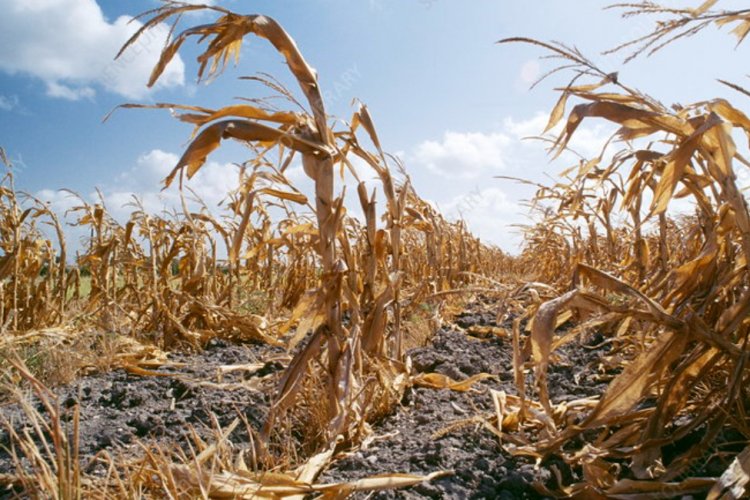
Agricultural policy emerged as a central theme during the protest. Delegates from several countries acknowledged that global food systems urgently need reform, particularly in regions where agricultural expansion fuels forest loss. Protest leaders argued that without sustainable land-use planning, large-scale farming will continue to intensify climate risks, disrupt rainfall patterns, and degrade soil health—ultimately harming farmers themselves.
Several civil society groups at COP30 expressed solidarity with the protesters, stating that Indigenous perspectives are essential for building climate-resilient agricultural systems. They highlighted successful examples of agroforestry and regenerative farming led by Indigenous communities, which maintain productivity while preserving ecosystems.
By the end of the day, COP30 organizers confirmed that formal discussions on Indigenous land security, sustainable agriculture, and deforestation-free supply chains would be added to this week’s agenda. While the blockade caused temporary delays, it effectively placed Indigenous rights at the center of global climate negotiations.
The protest in Belém served as a strong reminder that climate solutions cannot be separated from social justice. For many observers, the message from Indigenous groups was clear: protecting the Amazon is not only a moral obligation but also a critical step toward safeguarding global food security and long-term climate stability.


 By
By