

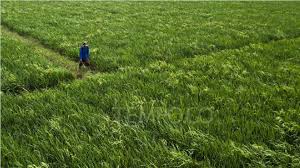
Indonesia has stepped up efforts to protect its rice production by launching an early planting campaign in anticipation of a possible strong El Niño weather event. The initiative aims to reduce the impact of drought conditions that could threaten crop yields and national food supplies in the coming months.
Rice remains Indonesia’s most important staple food, feeding millions of people across the archipelago. However, changing climate patterns and the increasing frequency of extreme weather events have created new challenges for farmers. Meteorological agencies have warned that El Niño conditions could develop later this year, bringing below-average rainfall and prolonged dry periods to several agricultural regions.
In response, the Indonesian government is encouraging farmers to begin planting earlier than usual so that crops can establish themselves before the expected onset of drier weather. Agricultural authorities are also promoting the use of drought-tolerant rice varieties that can withstand water shortages while maintaining stable yields.
Officials say the strategy is designed to strengthen the country’s food security and reduce the risk of production losses. Farmers are being advised to adopt improved crop management practices, including more efficient irrigation methods, careful water conservation, and the use of climate-resilient seeds. Local agricultural extension officers are working closely with farming communities to provide technical guidance and support throughout the planting season.
Another key component of the campaign involves shortening replanting cycles. By reducing the time between harvests and subsequent planting activities, farmers can maximize production opportunities before weather conditions become less favorable. Experts believe this approach could help maintain rice availability even if rainfall levels decline during critical growing periods.
Indonesia has invested significantly in strengthening its agricultural resilience in recent years. Efforts include expanding irrigation infrastructure, improving access to quality seed varieties, and enhancing climate forecasting systems. These measures are intended to help farmers adapt to increasingly unpredictable weather patterns linked to climate change.
Agricultural analysts note that proactive planning is essential as El Niño events have historically affected crop production across Southeast Asia. Reduced rainfall can lead to lower reservoir levels, increased irrigation challenges, and heightened pressure on farming communities that rely heavily on seasonal precipitation. Early intervention, they say, can significantly reduce these risks.
The government has also emphasized the importance of collaboration among farmers, local authorities, research institutions, and agricultural organizations to ensure the success of the planting campaign. Continuous monitoring of weather conditions will allow officials to adjust recommendations and provide timely assistance when necessary.
As uncertainty surrounding future climate conditions persists, Indonesia’s early rice planting initiative reflects a broader effort to build a more resilient agricultural sector. By combining climate-smart farming practices with improved planning and technology, the country hopes to secure rice production, support farmer livelihoods, and maintain a stable food supply despite the challenges posed by a potential El Niño season.


 By
By











