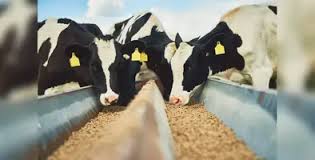
Indonesia has imported 1,383 dairy cows from Australia as part of a major national drive to strengthen domestic milk production and reduce dependence on dairy imports. The shipment forms an early phase of a broader $3 billion government-backed initiative aimed at improving national nutrition levels, particularly for children and mothers.
The imported cattle, primarily high-yielding dairy breeds suited to tropical management systems, are expected to be distributed to selected dairy hubs and cooperatives across Indonesia. Authorities say the focus is not only on increasing raw milk output but also on improving herd genetics, productivity, and farm-level efficiency over the medium to long term.
Indonesia’s dairy sector has long struggled to meet domestic demand. Local milk production currently supplies only a fraction of national consumption, forcing the country to rely heavily on imports of milk powder and other dairy products. Rapid population growth, rising incomes, and expanding urban demand have further widened the supply gap in recent years.
The government’s dairy expansion programme is closely linked to its broader nutrition agenda, which targets childhood stunting and maternal health. Milk is a key component of school feeding schemes and maternal nutrition programmes, and improving local supply is seen as essential for ensuring affordability and long-term availability.
Beyond imports, the initiative includes investments in farm infrastructure, veterinary services, feed systems, and farmer training. By strengthening on-farm management and animal health practices, policymakers aim to raise average milk yields and reduce mortality rates, which have historically limited productivity in smallholder dairy systems.
Australia was chosen as the source country due to its established dairy genetics, strict animal health standards, and long-standing agricultural trade relationship with Indonesia. Biosecurity protocols were followed to ensure the animals meet local health and quarantine requirements before integration into domestic herds.
Officials emphasise that importing dairy cows is a transitional strategy rather than a permanent solution. Over time, the goal is to develop a stronger domestic breeding base, supported by artificial insemination and improved genetics, so that herd expansion can be sustained locally.
If successfully implemented, the programme is expected to improve farmer incomes, create rural employment, and enhance national food and nutrition security. However, experts caution that long-term success will depend on consistent policy support, reliable feed availability, and stable milk pricing to encourage private investment in Indonesia’s dairy value chain.

 By
By