

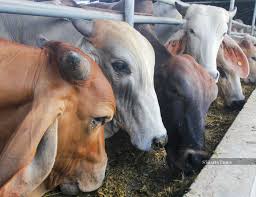
Indonesia has imported more than 1,300 dairy cows from Australia as part of a broader national initiative aimed at strengthening domestic milk production and reducing reliance on imports. The programme is designed to expand the country’s dairy base while actively integrating smallholder farmers into the formal milk supply chain.
The imported cattle, primarily high-yielding dairy breeds, are being distributed across selected regions with suitable agro-climatic conditions. Authorities say the focus is not only on increasing milk output but also on improving productivity, genetics, and farm management practices within Indonesia’s largely small-scale dairy sector. Smallholder farmers are expected to play a central role, with support mechanisms being put in place to help them manage the animals effectively.
Indonesia’s dairy consumption has been rising steadily, driven by population growth, urbanisation, and changing dietary preferences. However, domestic milk production has lagged behind demand, forcing the country to depend heavily on imported milk powder and dairy products. The latest import of live dairy cattle is part of a long-term strategy to narrow this gap and enhance national food and nutrition security.
Government officials have indicated that the initiative goes beyond cattle imports. It includes training programmes for farmers, improved access to veterinary services, better feed management, and strengthened milk collection and cold-chain infrastructure. By pairing imported genetics with capacity building at the farm level, policymakers aim to ensure that productivity gains are sustainable rather than short-lived.
Australia has emerged as a key partner in this effort due to its established dairy industry and experience in supplying high-quality breeding cattle. The imported cows are expected to adapt well under Indonesian farming conditions, provided that adequate housing, nutrition, and animal health support are maintained. Authorities have stressed the importance of biosecurity and quarantine protocols to minimise disease risks.
Industry observers note that involving smallholders is critical to the success of the programme. In Indonesia, as in many developing economies, dairy farming is dominated by small-scale producers. Integrating them into an expanding dairy value chain can help raise rural incomes while ensuring a more inclusive growth model.
If implemented effectively, the initiative could gradually reduce Indonesia’s dependence on dairy imports and stabilise domestic milk supplies. Analysts caution, however, that long-term success will depend on consistent policy support, investment in extension services, and fair pricing mechanisms for farmers. The current cattle import marks an important step in Indonesia’s efforts to build a more resilient and self-reliant dairy sector.


 By
By











