

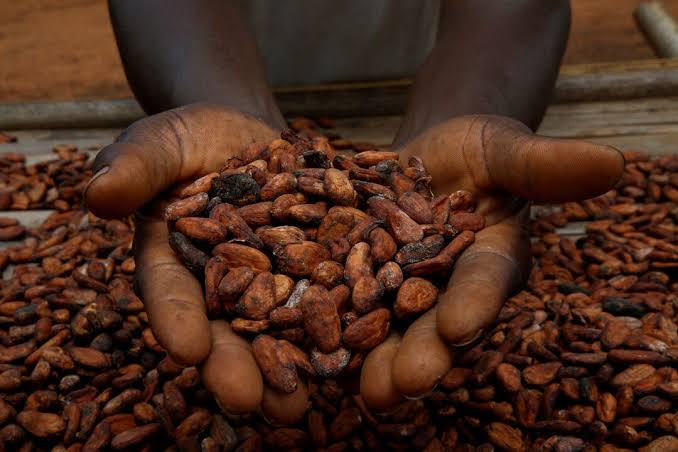
Ivory Coast, the world’s largest cocoa producer, is facing concerns over a delayed start to its 2026/27 main cocoa crop, creating uncertainty for farmers, exporters and global chocolate markets. The delay comes at a particularly sensitive time, as exporters are expected to face additional pressure to move cocoa shipments before stricter European Union deforestation requirements take effect toward the end of the year.
The West African country is a key player in the global cocoa industry and supplies a substantial share of the beans used by chocolate manufacturers worldwide. Any disruption to harvesting, transportation or exports from Ivory Coast can therefore have consequences for international cocoa prices and supply chains.
Delayed Crop Creates Supply Concerns
The main cocoa crop is an important period for Ivory Coast’s farmers and exporters. A delayed start could affect the timing of bean arrivals at collection centers, warehouses and ports.
Weather conditions, crop development and farm-level challenges can all influence the timing and volume of cocoa reaching the market. If arrivals remain slower than expected, exporters may have less flexibility to organize shipments and meet international delivery schedules.
The situation is particularly important because global cocoa buyers closely monitor supplies from West Africa. Ivory Coast, along with neighboring cocoa-producing countries, plays a central role in determining the availability of cocoa beans for international processors and chocolate manufacturers.
Pressure Before EU Deforestation Rules
Exporters are also preparing for stricter EU deforestation regulations, which will require greater traceability and compliance for commodities entering the European market.
Cocoa shipments destined for the European Union will need to meet requirements designed to ensure that agricultural commodities are not linked to deforestation. This is increasing the importance of documentation, supply-chain monitoring and traceability.
As exporters attempt to move cocoa before the new requirements become fully applicable, shipping activity could increase toward the end of the year. A combination of delayed crop arrivals and concentrated export demand could put additional pressure on Ivory Coast’s ports.
Risk of Port Congestion
A rush to ship cocoa before regulatory deadlines could create port congestion, particularly if large volumes arrive at terminals within a relatively short period.
Congestion can lead to longer waiting times for vessels, higher handling costs and delays in delivering cocoa to international buyers. Exporters may also face challenges coordinating transportation from producing regions to ports if large quantities need to be moved simultaneously.
For farmers, logistics disruptions could make the marketing process more complicated if warehouses and purchasing centers become crowded.
Implications for Global Cocoa Markets
Developments in Ivory Coast are closely watched by global cocoa traders because supply disruptions in the world’s largest producing country can quickly influence market expectations.
If the delayed crop results in lower-than-expected arrivals, concerns about available supplies could support cocoa prices. However, the ultimate market impact will depend on crop size, weather conditions, export volumes and demand from chocolate manufacturers.
European buyers are likely to pay particular attention to the traceability of cocoa supplies as regulatory requirements become more stringent.
Outlook
Ivory Coast’s delayed 2026/27 cocoa crop presents a combination of agricultural and logistical challenges. Farmers and exporters must manage crop timing while preparing for new regulatory requirements in one of the world’s largest cocoa markets.
If exporters accelerate shipments ahead of the EU deadline, pressure on ports and transportation networks could increase significantly. At the same time, any further delays in crop arrivals could add uncertainty to global cocoa supplies.
Overall, the situation highlights how weather, agricultural production, logistics and environmental regulations are increasingly interconnected in global commodity markets. The performance of Ivory Coast’s main cocoa crop will remain an important factor for international cocoa supply and prices in the months ahead.


 By
By











