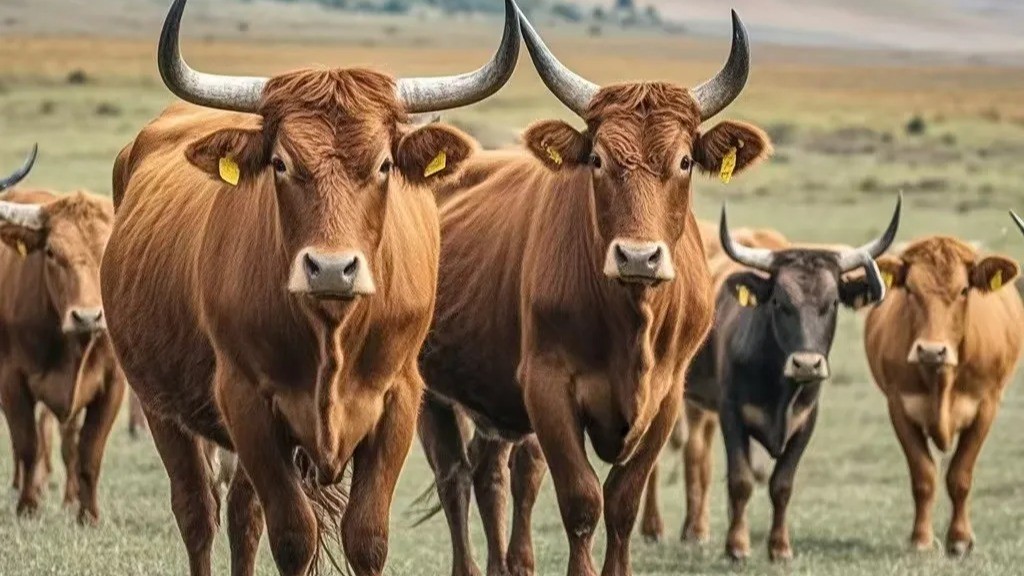
Herders in Kazakhstan are adopting cutting-edge technologies—including Starlink satellite internet, artificial intelligence systems, and drones—to monitor and manage their livestock across the country’s vast and remote steppe regions. This shift marks a major transformation in traditional herding practices, helping pastoral communities adapt to modern challenges such as extreme weather, cattle theft, and grazing land degradation.
Kazakhstan’s expansive rangelands, which stretch across thousands of kilometers, often lack reliable communication networks. For many herding families, this isolation has historically made it difficult to track animals, respond to emergencies, or access real-time market and weather information. The introduction of Starlink satellite internet is helping overcome these barriers by providing fast, stable connectivity even in areas far from cell towers or populated centers.
With dependable internet access, herders are now able to integrate AI-driven livestock monitoring systems into their daily work. Smart collars and GPS tags attached to animals transmit constant location and health data to mobile devices. AI software analyzes this information to identify early signs of illness, detect unusual movements, and predict grazing patterns. These insights allow herders to make faster, more informed decisions, reducing losses and improving overall herd health.
Drones have become another essential tool on the steppe. Equipped with high-resolution cameras and thermal sensors, drones can survey large areas in minutes, helping herders locate wandering animals, identify predators, or assess grazing conditions. This technology significantly cuts down on the time and physical effort traditionally required to patrol rangelands on horseback or motorbikes.
Together, these innovations are delivering tangible benefits. Many herders report fewer cases of livestock straying, quicker responses to medical issues, and improved safety for both animals and people. In remote regions where emergency services are scarce, real-time communication has also proven valuable during extreme weather events such as blizzards or heatwaves, enabling faster coordination and evacuation when necessary.
Economic advantages are emerging as well. Better monitoring reduces losses, improves breeding management, and enhances meat and dairy productivity. Access to online marketplaces and up-to-date pricing information allows herders to negotiate better deals and expand their customer base.
For Kazakhstan, where pastoralism remains culturally and economically significant, the adoption of Starlink, AI, and drone technology illustrates a successful blend of tradition and innovation. As more herding communities come online, the country is quickly becoming a model for how digital tools can boost resilience and sustainability in livestock systems across remote and challenging landscapes.


 By
By