

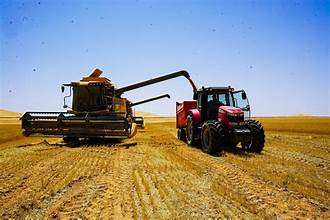
Kazakhstan is increasingly positioning itself as more than just a major exporter of wheat and other agricultural commodities. The Central Asian nation is expanding its ambitions in food processing, agricultural logistics and international trade, aiming to build a stronger position in the global agri-food value chain.
For decades, Kazakhstan has been widely recognised for its large-scale grain production, particularly wheat. Its vast agricultural land and strategic location have made the country an important supplier to markets in Central Asia, China and other regions. However, policymakers and agricultural businesses are now focusing on creating greater value from agricultural production rather than relying primarily on exports of raw commodities.
Moving Beyond Raw Grain Exports
The development of domestic processing capacity is becoming an important part of Kazakhstan’s agricultural strategy. Instead of exporting only raw grain, the country is seeking to increase the production and export of value-added products such as flour, pasta, vegetable oils, animal feed and other processed foods.
Expanding food processing can create new opportunities for farmers and businesses while generating additional employment and investment. It can also help Kazakhstan capture a larger share of the economic value created throughout the agricultural supply chain.
The shift reflects a broader trend among major agricultural producers, where countries are seeking to strengthen domestic industries and reduce dependence on the export of unprocessed commodities.
Strategic Location Supports Trade Ambitions
Kazakhstan’s geographic position gives it an important advantage in agricultural trade. Located between Europe and Asia and sharing borders with major markets, the country has the potential to serve as a strategic logistics hub for agricultural products.
Improving rail networks, roads, storage facilities and cross-border trade infrastructure could strengthen Kazakhstan’s ability to move food products efficiently to international markets.
The country is also seeking to expand agricultural trade links with neighbouring Central Asian countries, China, the Middle East and other international markets. Greater connectivity could help Kazakh producers diversify their export destinations and reduce dependence on a limited number of markets.
Investment in Storage and Logistics
Efficient logistics are essential for transforming Kazakhstan into a larger agri-food hub. Grain and food exports depend heavily on reliable storage, transportation and border infrastructure.
Investment in modern warehouses, grain terminals, cold chains and processing facilities could reduce post-harvest losses and improve the quality of products reaching export markets. Better logistics can also make agricultural trade more competitive by reducing transportation delays and costs.
Digital systems are expected to play an increasing role in this transformation. Modern supply-chain technologies can improve traceability, inventory management and coordination between farmers, processors, traders and exporters.
Processing Can Strengthen Farmers’ Incomes
A stronger domestic processing industry could also create more stable markets for Kazakhstan’s farmers. When agricultural products are processed locally, producers may benefit from increased demand and greater opportunities to participate in value-added supply chains.
However, the benefits will depend on efficient market systems, competitive pricing and reliable links between farmers, processors and international buyers.
Developing stronger agricultural cooperatives, improving access to finance and encouraging private investment could help ensure that smaller producers also benefit from the country’s expanding agri-food sector.
Kazakhstan’s Role in Global Food Security
As global food markets face increasing pressure from climate change, geopolitical tensions and supply-chain disruptions, diversified sources of agricultural production are becoming increasingly important.
Kazakhstan has the potential to play a larger role in regional and global food security by increasing production, strengthening processing capacity and improving its ability to deliver food products to international markets.
The country’s transformation from a traditional grain exporter into a broader agri-food, processing and logistics hub could reshape its position in international agricultural trade.
The next stage of Kazakhstan’s agricultural development will depend on continued investment in infrastructure, technology, processing industries and international market connections. If these efforts succeed, Kazakhstan could emerge as a more influential player—not only in supplying grain, but also in processing, moving and trading food across major global markets.


 By
By











