Kenya will host the 2026 Annual General Meeting of the World Farmers’ Organisation (WFO) from June 8–11 in Nairobi, according to an announcement by the Ministry of Agriculture and Livestock Development. The event is expected to convene farmer leaders, agricultural cooperatives, policymakers, development agencies, and private-sector stakeholders from more than 65 countries.
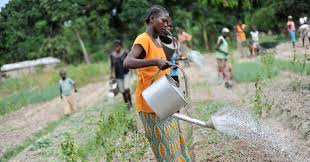
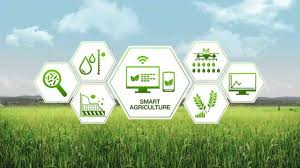
The annual gathering serves as a high-level platform for dialogue on global agricultural policy, climate resilience, food security, trade frameworks, and farmer income sustainability. As host nation, Kenya is positioning the event as an opportunity to spotlight Africa’s agricultural transformation agenda, including climate-smart farming, digital advisory services, and value-chain development.
Kenya’s agriculture sector remains central to its economy, contributing significantly to GDP, employment, and export earnings. Hosting the WFO meeting is expected to elevate regional discourse on smallholder integration into global markets, sustainable land management, and access to finance. African farmer organizations are likely to use the forum to advocate for stronger representation in international trade negotiations and climate finance mechanisms.
Key agenda themes are anticipated to include adaptation strategies for climate variability, expansion of regenerative agriculture models, youth participation in farming, and strengthening farmer-led cooperatives. With increasing global volatility in commodity markets and input prices, discussions may also address supply chain resilience and fair pricing mechanisms.
The presence of delegates from over 65 countries underscores the growing importance of farmer-led diplomacy in shaping international agricultural governance. The WFO has consistently emphasized farmer inclusion in multilateral policy processes related to food systems, biodiversity, and rural development.
For Kenya, the event represents both diplomatic visibility and economic opportunity. It reinforces Nairobi’s role as a regional hub for agricultural innovation and policy coordination, while creating avenues for partnerships, investment dialogue, and knowledge exchange.
As global agriculture faces intersecting challenges—from climate change to trade disruptions—the 2026 meeting is expected to foster collaborative strategies aimed at strengthening farmer resilience and ensuring sustainable food production systems worldwide.

 By
By