

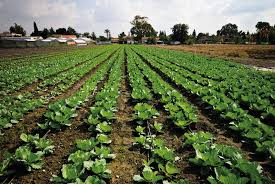
Kenya’s efforts to transform its food systems through climate-smart agriculture are gaining increasing attention as the country confronts the combined challenges of climate change, food insecurity, and malnutrition. By promoting climate-resilient farming practices and reviving indigenous crops, policymakers aim to strengthen agricultural sustainability while improving nutrition outcomes.
Agriculture remains the backbone of Kenya’s economy, but the sector is highly vulnerable to erratic rainfall, prolonged droughts, and rising temperatures. In response, the government and development partners are scaling up climate-smart agriculture strategies that focus on conserving soil moisture, improving water efficiency, and reducing environmental degradation. Practices such as conservation tillage, agroforestry, crop rotation, and efficient irrigation systems are being encouraged across both smallholder and commercial farms.
A key pillar of the strategy is renewed emphasis on indigenous and traditional crops, including sorghum, millet, cowpeas, and indigenous leafy vegetables. These crops are naturally adapted to local conditions, require fewer inputs, and are more tolerant to drought and poor soils compared to many imported staples. Nutrition experts note that indigenous crops also offer higher micronutrient content, supporting efforts to address malnutrition and diet-related health challenges.
The climate-smart approach extends beyond production to include improved seed systems, farmer training, and access to climate information services. Digital weather tools and early warning systems are helping farmers make informed decisions on planting and harvesting, reducing losses linked to extreme weather events.
Stakeholders say the strategy is also opening opportunities for rural livelihoods. Growing demand for resilient crops is encouraging value addition through local processing and market development, particularly for women and youth-led enterprises.
While challenges remain—such as financing gaps, infrastructure constraints, and uneven adoption—analysts believe Kenya’s climate-smart agriculture model offers valuable lessons for other countries facing similar climate pressures. As attention grows, sustained investment and coordinated policy support will be critical to ensuring long-term impact on food security, resilience, and nutrition.


 By
By











