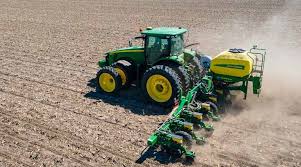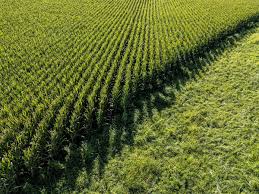
The Department of Agriculture & Farmers Welfare has released the latest data on the progress of Kharif crop sowing up to September 5, 2025. According to the report, the total sown area under Kharif crops has reached 110.54 million hectares, which is about 2.69 million hectares higher than last year’s 107.85 million hectares. This growth reflects favorable monsoon conditions and the active participation of farmers across the country.
Rice Shows the Strongest Growth
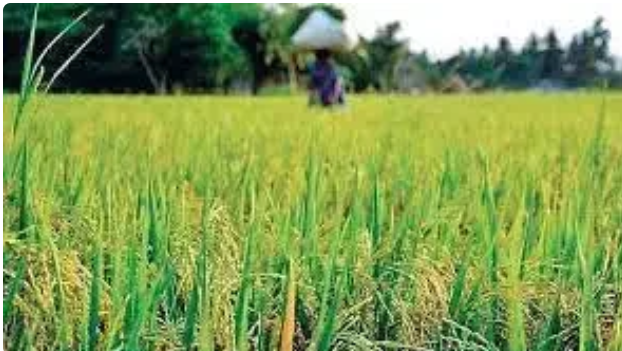
Rice has registered the largest increase in coverage, with an area of 43.83 million hectares, nearly 1.96 million hectares more than the previous year. This underlines rice’s pivotal role in Kharif cropping.
Pulses and Coarse Cereals on the Rise
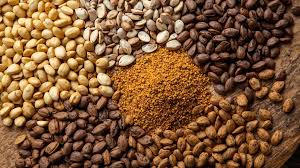
- Pulses have covered 4.0 million hectares, marking an increase of 0.19 million hectares compared to last year. Within this, urad (black gram) expanded by 0.20 million hectares and moong (green gram) by 0.01 million hectares, though pigeon pea (tur) saw a slight decline.
- Coarse cereals reported significant growth, reaching 7.1 million hectares, an increase of 1.21 million hectares. Maize alone accounted for a rise of 1.03 million hectares, making it a key driver of this surge.
Mixed Trends in Oilseeds, Sugarcane, and Cotton
- Oilseeds were sown on 9.8 million hectares, which is 0.52 million hectares lower than last year, mainly due to reduced soybean acreage, though castor and groundnut saw minor gains.
- Sugarcane expanded to 3.1 million hectares, recording an increase of 0.16 million hectares.
- Jute and mesta declined slightly, covering 0.56 million hectares.
- Cotton sowing fell to 1.7 million hectares, down by 0.30 million hectares compared to last year.
Expert Insights
Agricultural experts attribute the overall positive progress to timely monsoon rains and supportive policy measures, which have encouraged higher sowing of key crops. They believe that this expansion in acreage, especially in rice, pulses, coarse cereals, and sugarcane, is likely to translate into higher production outputs in the coming months, although concerns remain for oilseeds and cotton.
In summary, the 2025–26 Kharif season reflects a balanced outlook—with notable gains in staple crops and some challenges in oilseeds and cotton—setting the stage for an optimistic agricultural year ahead.

 By
By