

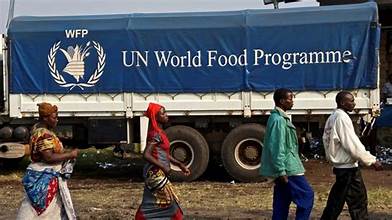
International discussions have gained momentum over the selection of the next Executive Director of the World Food Programme (WFP), a leadership position that is expected to play a significant role in shaping global humanitarian food assistance and agricultural development strategies in the coming years.
The World Food Programme is the world’s largest humanitarian organization dedicated to combating hunger and improving food security. Working with governments, international agencies, and development partners, the organization provides emergency food assistance, nutrition support, school meal programmes, and livelihood initiatives for millions of people affected by conflicts, natural disasters, and economic crises.
As the process of selecting a new Executive Director moves forward, governments, development experts, and humanitarian organizations are closely watching the discussions. The successful candidate will be responsible for leading the organization’s global operations, strengthening partnerships, and addressing increasingly complex challenges related to hunger, climate change, and food insecurity.
The incoming leader is expected to oversee programmes that support vulnerable populations across multiple regions while ensuring efficient management of humanitarian resources. The position also involves coordinating with United Nations agencies, donor countries, research institutions, and non-governmental organizations to improve the effectiveness of global food assistance programmes.
Food security experts note that the new leadership will take office at a time when the world continues to face multiple agricultural and humanitarian challenges. Climate change, prolonged droughts, floods, armed conflicts, economic instability, and disruptions to global food supply chains have increased the number of people requiring humanitarian assistance in many parts of the world.
In addition to emergency food relief, the World Food Programme has expanded its focus on building long-term resilience. Many of its initiatives now emphasize sustainable agriculture, climate adaptation, nutrition, rural livelihoods, digital food assistance, and disaster preparedness. These programmes aim to help communities become more self-reliant while reducing dependence on emergency aid.
Agricultural development is expected to remain an important priority for the organization’s future leadership. Supporting smallholder farmers, improving access to markets, strengthening local food systems, and promoting climate-smart agriculture are increasingly viewed as essential components of global food security. Investments in resilient farming practices can help communities withstand climate-related shocks while improving incomes and food availability.
The next Executive Director is also likely to focus on enhancing operational efficiency through the use of modern technologies. Digital monitoring systems, satellite-based logistics, artificial intelligence, and data-driven planning are being used to improve supply chain management, optimize food distribution, and ensure humanitarian assistance reaches beneficiaries more quickly and transparently.
Funding sustainability will be another major area of attention. As humanitarian needs continue to grow, the organization relies on voluntary contributions from governments, international institutions, private-sector partners, and philanthropic organizations. Strengthening donor confidence and expanding partnerships will remain critical to maintaining effective global food assistance programmes.
Policy experts believe the new leadership will have an opportunity to reinforce international cooperation on food security by encouraging stronger collaboration among governments, agricultural institutions, and humanitarian agencies. Coordinated efforts will be essential for responding to future crises while supporting long-term agricultural development and nutrition goals.
The selection process has attracted widespread interest because decisions made by the World Food Programme influence humanitarian operations in numerous countries. The organization’s work extends beyond emergency food distribution to include nutrition programmes for women and children, school feeding initiatives, support for refugees and displaced populations, and assistance for communities recovering from natural disasters.
Looking ahead, the appointment of the next Executive Director is expected to shape the strategic direction of the World Food Programme during a period of evolving global challenges. As climate change, food insecurity, and humanitarian needs continue to demand international attention, strong leadership will be vital in ensuring that food assistance programmes remain effective, inclusive, and responsive to the needs of vulnerable populations worldwide.


 By
By











