Major Boost for U.S. Agriculture: $2 Billion Fertilizer Plant in Illinois
In a landmark development for the U.S. agriculture sector, Illinois is set to witness the establishment of a $2 billion fertilizer production facility, one of the largest investments in agricultural infrastructure in recent decades. The announcement has been welcomed by farmers, policymakers, and industry stakeholders as a strategic move to boost domestic fertilizer availability, reduce dependency on imports, and provide long-term stability to America’s agricultural economy.
Addressing Fertilizer Supply Challenges
Over the past few years, fertilizer supply chains have faced immense pressure due to rising global energy costs, transportation bottlenecks, and geopolitical conflicts affecting major producing regions. Farmers across the United States, particularly in the Midwest, have struggled with high input costs and unpredictable price fluctuations during planting seasons. Illinois, a leading agricultural state and a hub for corn and soybean production, has often felt the direct impact of these disruptions.
The planned investment in fertilizer manufacturing aims to directly address these challenges. By creating a steady domestic source of nitrogen-based fertilizers, the facility is expected to stabilize prices and ensure reliable supplies for crops such as corn, soybeans, and wheat. Analysts believe this project could reshape fertilizer market dynamics in North America and give farmers greater confidence in planning their seasonal operations.
Economic Growth and Job Creation
Beyond its agricultural impact, the $2 billion investment is expected to provide a significant economic boost to Illinois. State officials have confirmed that the project will generate thousands of jobs during its construction phase and several hundred permanent positions once operations begin. These jobs will benefit not only the local economy but also the broader regional supply chain, including transport, logistics, and maintenance industries.
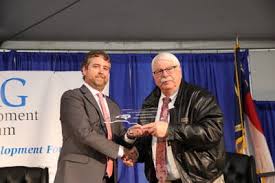
Governor of Illinois, in his remarks, described the investment as a “transformational moment” for both agriculture and the state’s economy. He emphasized that Illinois is strategically positioned to support such a facility due to its fertile farmlands, existing agricultural infrastructure, and strong workforce. The Governor also stressed that the project reflects a broader commitment to strengthening America’s food and farming systems.
Industry Reactions
The agriculture community has largely welcomed the announcement. Farmer associations, including corn and soybean growers, have highlighted the importance of reducing reliance on imported fertilizers. In recent years, supply disruptions have forced farmers to adjust crop strategies or absorb higher input costs, affecting profitability and production efficiency.
With a domestic fertilizer hub in Illinois, growers expect more predictable pricing and timely availability during crucial planting windows. This stability will be particularly beneficial for corn farmers, given that nitrogen fertilizers are essential to achieving high yields. Industry experts also believe that improved fertilizer availability could contribute to boosting U.S. grain exports, reinforcing the country’s role as a global food supplier.
Future Prospects and Sustainability
While the primary goal of the facility is to secure domestic fertilizer supplies, experts suggest it could eventually position the U.S. as a fertilizer exporter. With rising global demand and increasing concerns about food security, the Illinois project may serve as a foundation for America’s long-term participation in international fertilizer markets.
Sustainability will also be a key focus. Modern fertilizer plants are under pressure to minimize environmental impacts, particularly greenhouse gas emissions associated with nitrogen fertilizer production. Reports indicate that the Illinois facility will incorporate advanced technologies designed to improve efficiency and reduce its carbon footprint. This aligns with broader U.S. agricultural goals of balancing productivity with environmental stewardship.
A Boost for American Agriculture
The timing of this investment is crucial. Farmers across the Midwest are preparing for future planting seasons while facing uncertainty in global agricultural markets. Ensuring access to affordable fertilizers is not just an economic matter—it is essential for national food security. By reducing dependence on foreign supplies, the new Illinois facility promises to safeguard American agriculture against external shocks.
Agricultural economists estimate that the project could save U.S. farmers billions of dollars annually in fertilizer-related costs, while also enhancing yield reliability. In the long term, this move strengthens the competitiveness of U.S. agriculture in global markets, ensuring that American farmers continue to play a leading role in feeding a growing world population.
Conclusion
The announcement of a $2 billion fertilizer production facility in Illinois marks a significant milestone in the U.S. agricultural sector. By addressing supply challenges, creating jobs, and supporting sustainable farming practices, the project represents a forward-looking investment in both agriculture and national food security.
As construction begins in the coming year, Illinois is set to emerge as a critical hub for fertilizer production, ensuring that farmers across the Midwest—and the entire nation—have reliable access to the essential inputs needed to sustain and grow America’s agricultural output.

 By
By