The government of Andhra Pradesh has unveiled a significant ₹1,223 crore allocation for the horticulture sector, marking one of the state’s largest targeted investments in recent years. The funding is aimed at expanding production capacity, strengthening post-harvest infrastructure, and boosting export competitiveness.
Officials indicated that the enhanced budgetary support will prioritize high-value crops such as fruits, vegetables, spices, and plantation crops. The initiative seeks to promote area expansion under horticulture while encouraging the adoption of improved planting material, protected cultivation systems, and precision irrigation technologies.
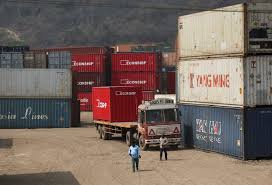
A substantial portion of the allocation is expected to be directed toward infrastructure development. Plans include establishing modern packhouses, cold storage facilities, ripening chambers, and integrated value chain hubs to reduce post-harvest losses. Strengthening logistics and supply chain networks is also a central objective, with an emphasis on linking farmers more efficiently to domestic and international markets.
The state government has identified export promotion as a strategic pillar of the horticulture expansion plan. By improving grading, sorting, and quality certification systems, authorities aim to meet global phytosanitary standards and enhance market access. Increased support for farmer-producer organizations (FPOs) and agri-export clusters is anticipated to improve collective marketing power and price realization.
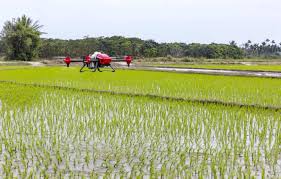
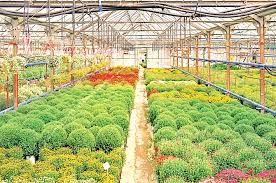
In addition, the initiative is expected to accelerate the adoption of technology-driven practices, including micro-irrigation systems, polyhouse cultivation, and integrated pest management. Capacity-building programs for farmers, extension services, and skill development in post-harvest management are also likely to form part of the implementation framework.
Andhra Pradesh is already recognized as a leading horticulture-producing state in India, contributing significantly to the country’s fruit and vegetable output. The new investment aims to consolidate that position while addressing structural gaps in storage, processing, and export readiness.
Experts suggest that if implemented effectively, the ₹1,223 crore package could enhance farmer incomes, generate rural employment, and strengthen the state’s role in India’s agri-export growth strategy. The move reflects a broader national trend toward diversifying agriculture beyond staple crops and promoting high-value horticultural production as a driver of sustainable rural development.


 By
By