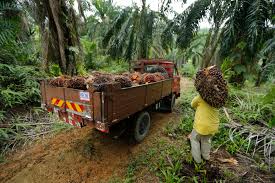
Malaysia, one of the world’s leading exporters of palm oil, rubber, and timber-based products, is stepping up its agriculture export strategies as the European Union (EU) prepares to implement its Deforestation Regulation (EUDR). The new rules, set to take effect in late 2024, will require exporters to demonstrate that their agricultural commodities do not contribute to deforestation or forest degradation.
For Malaysia, where agriculture exports are a vital pillar of the economy, the EU regulations present both challenges and opportunities. Government officials, industry stakeholders, and farmer cooperatives are now working on compliance frameworks to ensure that Malaysian products maintain access to European markets, which remain an important trade destination.
Understanding the EU Deforestation Regulation
The EUDR, adopted in 2023, applies to commodities such as palm oil, rubber, coffee, cocoa, soy, and wood, along with derived products like leather, furniture, and chocolate. Companies exporting to the EU will be required to trace their supply chains, provide precise geographic data on production areas, and confirm that products are not linked to deforestation after December 2020.
The regulation is part of the EU’s broader climate and biodiversity agenda, aimed at reducing the environmental impact of global trade. While European policymakers view it as a step toward sustainable consumption, exporting countries like Malaysia have voiced concerns about the costs of compliance and the potential impact on smallholder farmers.
Malaysia’s Response
In anticipation of the new rules, Malaysia’s Ministry of Plantation and Commodities has outlined a strategy to align agricultural exports with EU requirements. The government is expanding sustainability certification schemes, enhancing traceability systems, and increasing dialogue with European trade partners.
Malaysia is also leveraging the Malaysian Sustainable Palm Oil (MSPO) certification as a key tool to demonstrate compliance. Authorities are working to ensure that MSPO standards meet or exceed EU expectations on environmental protection, labor rights, and supply chain transparency.
At the same time, efforts are being made to support smallholders, who make up a significant portion of Malaysia’s palm oil and rubber production. Small-scale farmers often lack the financial and technical resources to implement advanced traceability systems, and the government is exploring subsidies, training programs, and digital platforms to bridge the gap.
Industry Reactions
Malaysian industry groups have expressed mixed reactions to the EU’s new regulations. While larger plantation companies with existing sustainability frameworks may adapt more easily, smaller producers fear exclusion from European markets due to high compliance costs.
The Malaysian Palm Oil Council (MPOC) emphasized that the country has made substantial progress in sustainable agriculture practices and should be recognized for its efforts. “Malaysia has already invested heavily in sustainability certification and conservation programs. What is needed now is fair recognition and collaboration rather than one-sided restrictions,” the MPOC stated.
Trade associations also stressed that the EU remains an important but not exclusive market. Malaysia is simultaneously strengthening agriexport ties with countries in Asia, the Middle East, and Africa, which are less restrictive in their sustainability requirements.
Global Trade Implications
Experts suggest that the EU’s deforestation rules could reshape global trade patterns in agricultural commodities. Exporters who fail to meet compliance standards may redirect products to alternative markets, while those that adapt may gain premium access to sustainability-conscious consumers.
For Malaysia, compliance not only ensures continued market access but also strengthens the global reputation of its agricultural exports. Analysts believe that aligning with stricter environmental standards could help Malaysia position itself as a leader in sustainable palm oil and rubber production, improving competitiveness in the long term.
Balancing Sustainability and Economic Growth
The Malaysian government faces the challenge of balancing economic priorities with sustainability commitments. Agriculture exports contribute billions of dollars annually to the national economy, supporting millions of livelihoods. At the same time, the country is under international pressure to protect its rich biodiversity and tropical forests.
By investing in certification, transparency, and technology, Malaysia aims to strike this balance. Pilot projects using satellite monitoring, blockchain-based supply chain tracking, and farmer training programs are already underway. If successful, these initiatives could become a model for other commodity-exporting nations facing similar EU requirements.
Conclusion
As the EU prepares to enforce its Deforestation Regulation, Malaysia is moving proactively to safeguard its agricultural exports. Through certification schemes, traceability systems, and support for smallholders, the country is working to meet international standards while protecting the livelihoods of farmers.
While challenges remain, particularly for small-scale producers, Malaysia’s strategy reflects a determination to adapt and thrive in an evolving global trade environment. By aligning with sustainability demands, Malaysia not only secures access to European markets but also strengthens its position as a responsible and competitive agriexporter on the world stage.

 By
By