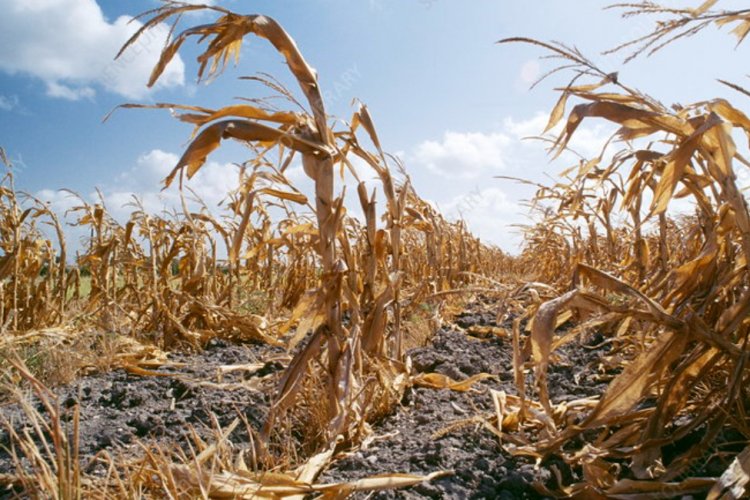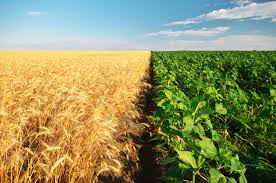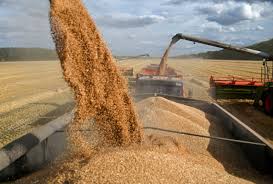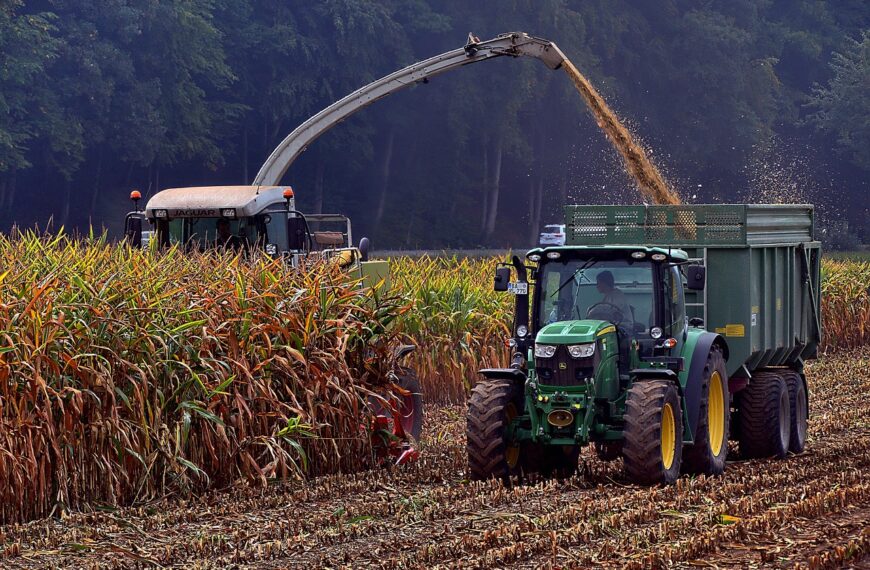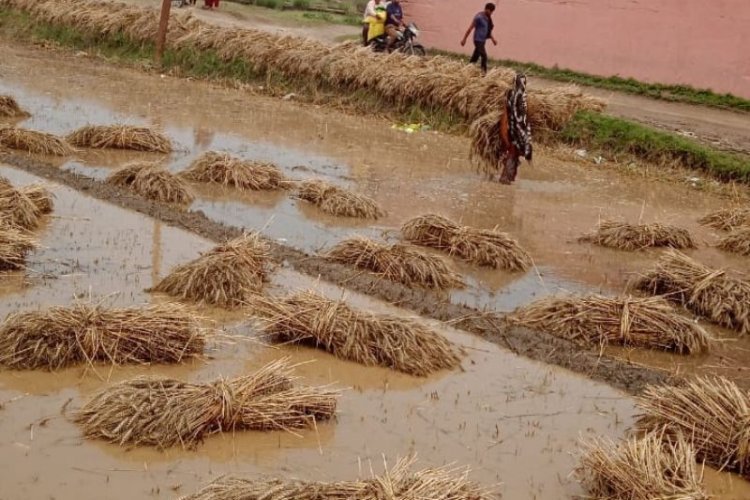
A new report released by the Food and Agriculture Organization (FAO) has revealed that the world’s agriculture sector has suffered staggering losses due to natural and human-induced disasters over the past three decades. According to the FAO, events such as droughts, floods, storms, pest attacks, and diseases caused an estimated US$ 3.26 trillion in losses between 1991 and 2023.
The report highlights that climate-related disasters remain the biggest threat to global food production. Drought alone accounts for nearly two-thirds of all agricultural losses, severely affecting crop yields, livestock, fisheries, and forestry. Floods, tropical storms, and pest outbreaks—including desert locust invasions—have also contributed significantly to economic damage and reduced food availability in many regions.
Low- and middle-income countries have been hit hardest, with the FAO noting that repeated shocks have weakened farming systems, disrupted markets, and pushed millions of rural families into deeper food insecurity. The organization warns that continued climate change is likely to intensify these challenges, putting additional strain on global food supply chains.
The FAO has called for stronger disaster-risk management, better early-warning systems, and increased investment in climate-resilient agriculture. It also emphasized the importance of supporting smallholder farmers, who are often the most exposed to climate extremes yet have the least capacity to recover.
As disasters become more frequent and intense, the FAO report serves as a reminder that safeguarding agriculture is essential not only for economic stability but also for global food security.

 By
By