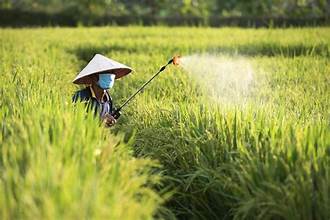
Morocco has introduced updated cadmium safety standards for soil and food systems, marking a significant milestone in the country’s efforts to reinforce agricultural compliance and protect public health. The new guidelines aim to reduce exposure to toxic cadmium—a heavy metal that can accumulate in crops, soil, and water—posing risks to human health and long-term ecosystem stability.
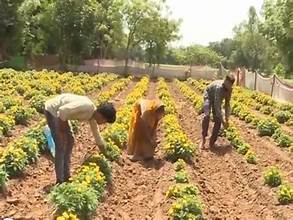
The revised standards set stricter thresholds for cadmium levels in both agricultural soils and food products. These measures are designed to curb contamination at the source, improve monitoring protocols, and ensure that farmers adopt safer and more sustainable cultivation practices. The government emphasized that the updated framework is aligned with global best practices and reflects Morocco’s commitment to strengthening food safety management across the agricultural value chain.
Officials noted that cadmium contamination can originate from fertilizers, industrial emissions, and natural mineral deposits, making proactive regulation essential. By tightening permissible limits and reinforcing compliance requirements, Morocco aims to minimize health risks such as kidney damage and other chronic conditions linked to heavy metal exposure.
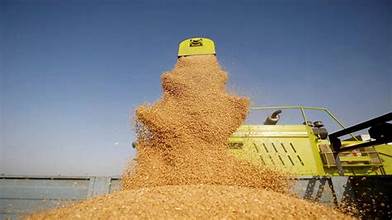
Agricultural experts view the move as a forward-looking step, showcasing Morocco’s leadership in environmental stewardship and safe food production. The enhanced guidelines are expected to benefit both domestic consumers and export markets by ensuring higher-quality produce that meets stringent international standards.
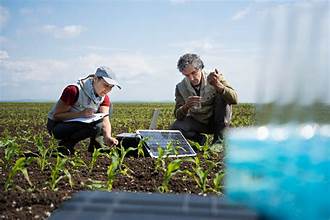
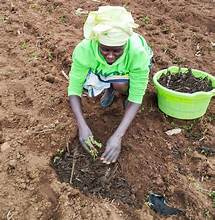
Authorities have also highlighted the importance of farmer awareness programs, improved soil testing infrastructure, and collaboration with research institutions to support the seamless implementation of the new rules.
With these strengthened cadmium guidelines, Morocco is positioning itself at the forefront of agricultural safety reform—advancing ecosystem health while promoting sustainable, compliant farming systems across the country.

 By
By