

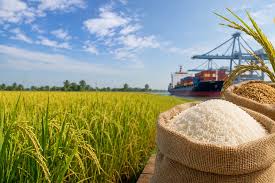
Myanmar is preparing to strengthen its presence in the international rice trade by launching exports of premium-quality rice varieties, following significant improvements in seed quality through government-backed breeding and certification programmes. The initiative marks an important step in the country’s efforts to enhance the value of its agricultural exports and increase farmers’ incomes.
The Myanmar government, in collaboration with agricultural research institutions and seed development agencies, has invested in modern breeding techniques, quality seed production, and certification systems to ensure that farmers have access to high-performing rice varieties. These efforts have resulted in improved grain quality, better yields, and enhanced resistance to pests and diseases, making Myanmar’s rice more competitive in international markets.
Premium rice varieties are increasingly in demand worldwide due to their superior taste, aroma, grain appearance, and cooking quality. By focusing on high-value rice instead of only bulk commodity exports, Myanmar aims to capture better prices in key international markets across Asia, Europe, the Middle East, and Africa.
Agriculture remains one of Myanmar’s most important economic sectors, employing a large share of the country’s workforce and contributing significantly to export earnings. Rice is the nation’s primary agricultural commodity, and improving its quality has become a strategic priority to boost foreign exchange revenues and strengthen the rural economy.
Officials believe that certified quality seeds are the foundation of sustainable rice production. The newly introduced seed certification programme ensures genetic purity, high germination rates, and uniform crop performance, enabling farmers to produce premium-grade paddy that meets international quality standards. The certification process also improves traceability and increases buyers’ confidence in Myanmar’s rice exports.
Agricultural experts note that the global rice market is becoming increasingly quality-conscious. Importing countries are placing greater emphasis on food safety, grain consistency, and sustainability. Myanmar’s investment in scientific breeding and quality assurance is expected to help the country compete with leading rice-exporting nations such as Thailand, Vietnam, and India in premium market segments.
The export of premium rice is also expected to benefit farmers by offering higher market prices compared to conventional rice varieties. Better-quality seeds generally lead to improved productivity, lower crop losses, and higher profitability, encouraging farmers to adopt modern cultivation practices. Government agencies are expected to continue providing technical guidance, training, and extension services to promote the large-scale adoption of certified seed varieties.
Industry stakeholders believe that expanding exports of premium rice could diversify Myanmar’s agricultural export portfolio while strengthening long-term trade relationships with international buyers. Higher-value exports would not only increase national export earnings but also encourage greater private-sector investment in seed production, milling, storage, and value-added processing.
Experts emphasize that maintaining strict quality standards throughout cultivation, harvesting, processing, and packaging will be crucial for sustaining Myanmar’s reputation in premium rice markets. Investments in modern infrastructure, quality testing laboratories, and efficient supply chains will further enhance the country’s competitiveness.
With growing global demand for high-quality rice, Myanmar’s decision to export premium varieties represents a significant milestone in its agricultural development strategy. If successfully implemented, the initiative could position the country as an emerging supplier of premium rice, creating new opportunities for farmers, exporters, and the broader agricultural economy while reinforcing its standing in the global rice market.


 By
By











