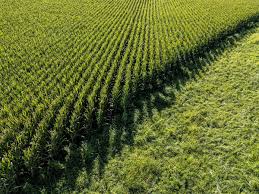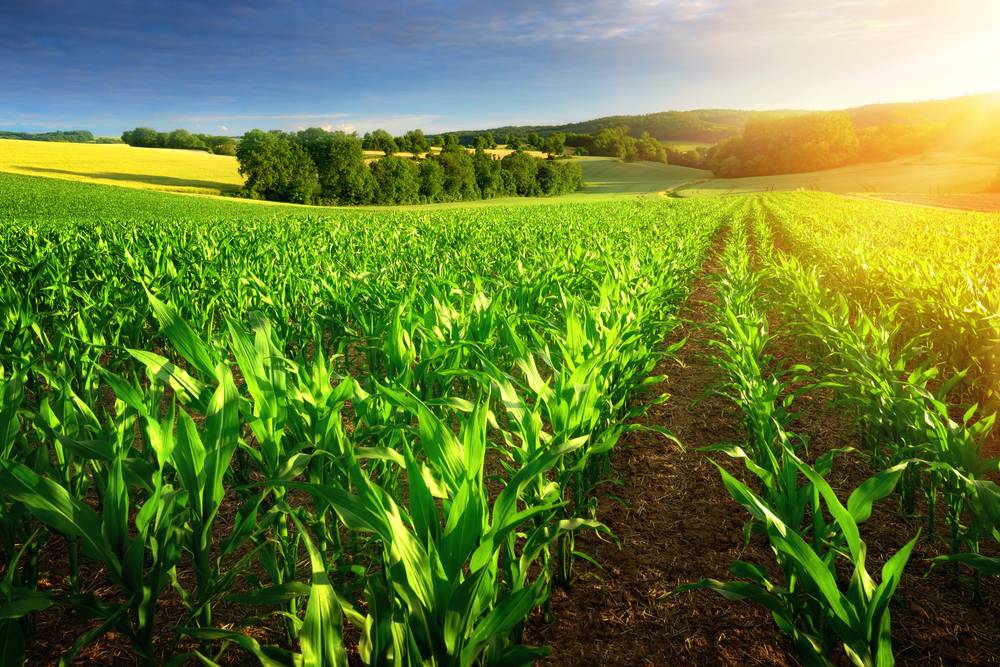
For centuries, India’s farmers and their fields have been the backbone of the economy and the soul of its culture. Today, however, this foundation faces unprecedented challenges: erratic monsoons, recurring droughts, devastating floods, rising input costs, and the escalating impacts of climate change.
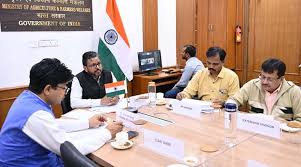
In response, the Government of India launched the National Mission for Sustainable Agriculture (NMSA) a landmark initiative aimed not just at increasing crop yields, but at building long-term resilience. More than a scheme, NMSA represents a shift in mindset: from the short-term goal of “grow more” to the long-term strategy of “sustain more.” Its core objectives are to strengthen farmers against climate risks, enhance incomes, and safeguard natural resources, marking a decisive step toward climate-smart agriculture.
What Sustainable Agriculture Means
Sustainable agriculture is not simply about producing crops—it is about securing the future of farming. It emphasizes practices that are environmentally responsible, economically viable, and socially just, ensuring that land, water, and biodiversity remain available for future generations.
NMSA addresses these goals through several key interventions:
- Water Management – Promoting micro-irrigation systems like drip and sprinkler irrigation, which conserve water, enable the use of saline water, and protect crops even during droughts.
- Soil Health Management – Through the innovative Soil Health Card, farmers receive a detailed “health report” of their land, allowing them to use fertilizers judiciously. This reduces costs, improves efficiency, and maintains soil fertility.
- Biodiversity and Integrated Farming – Encouraging farmers to adopt Integrated Farming Systems (IFS), which combine crops, horticulture, poultry, and fisheries. This diversification ensures multiple income streams and resilience against climatic shocks.
Natural vs. Organic Farming: A Crucial Distinction
As part of sustainable agriculture, the debate often arises between organic farming and natural farming. While frequently used interchangeably, the two are fundamentally different:
- Organic Farming relies on replacing chemical inputs with certified organic alternatives such as compost, neem oil, and vermicompost. It is a regulated system that requires certification for products to be sold under the “organic” label.
- Natural Farming, on the other hand, follows a zero external input philosophy. Farms are developed into self-sustaining ecosystems using formulations like Jeevamrit and Beejamrit prepared from cow dung, urine, jaggery, and pulses flour—that activate natural soil microbes. Unlike organic farming, it avoids even certified inputs from outside.
A Roadmap for the Future
The National Mission for Sustainable Agriculture is more than a development program it is a comprehensive roadmap for the future of Indian farming. By adopting climate-smart practices, farmers can reduce costs, increase profitability, and protect the environment at the same time.
The mission underscores a vital truth: economic prosperity and ecological sustainability are two sides of the same coin. With NMSA, India is making a historic effort to guide its agriculture toward a more resilient, sustainable, and prosperous future.

 By
By