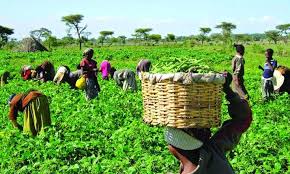
Nigeria’s Ministry of Agriculture has dismissed growing concerns about a potential fertilizer shortage, assuring farmers that adequate supplies are available for the current planting season. Speaking at a press briefing, Agriculture Secretary officials emphasized that recent reports of a looming crisis were “misleading and exaggerated.”
According to the ministry, the federal government has already put in place distribution mechanisms and subsidy programs to ensure that fertilizers reach farmers in all major crop-producing states. The secretary highlighted ongoing collaboration with local producers, importers, and agro-dealers to maintain a steady flow of supplies and keep prices within reach for smallholder farmers.
The reassurance comes at a critical time, as farmers prepare for the peak planting season. Rumors of shortages had sparked anxiety among producers, who feared that rising fertilizer costs could reduce yields and impact national food security. However, officials clarified that recent logistical delays had been misinterpreted as supply gaps.
“The government has taken proactive steps to guarantee fertilizer availability,” the Agriculture Secretary noted. “We are working closely with the private sector to stabilize prices and prevent hoarding, ensuring that farmers can access inputs when they need them most.”
Farmer associations welcomed the statement but urged authorities to strengthen monitoring at the grassroots level to ensure that fertilizers reach genuine farmers rather than middlemen. Industry experts added that Nigeria’s growing investment in domestic fertilizer production, particularly urea and blended NPK, has greatly reduced dependence on imports and enhanced resilience against global market fluctuations.
With planting activities gaining momentum, the ministry reiterated its commitment to supporting farmers with not only fertilizers but also improved seeds, extension services, and mechanization programs. Officials expressed confidence that the sector is well-positioned to deliver strong harvests in 2025, boosting food supply and rural incomes.

 By
By