The U.S. Department of Agriculture (USDA) has assured the public and farming communities that the recent report of a human screwworm case poses no risk to public health, livestock, or the broader agricultural industry. The announcement comes after health officials confirmed an isolated human case of screwworm infestation, a condition caused by fly larvae that can infest open wounds.
While the discovery initially sparked concerns among livestock producers, veterinarians, and rural communities, the USDA emphasized that the case was quickly identified, treated, and contained, with no evidence of spread. Officials reassured that the incident does not indicate the re-establishment of screwworm populations in the United States, which have been eradicated for decades.
Background on Screwworms
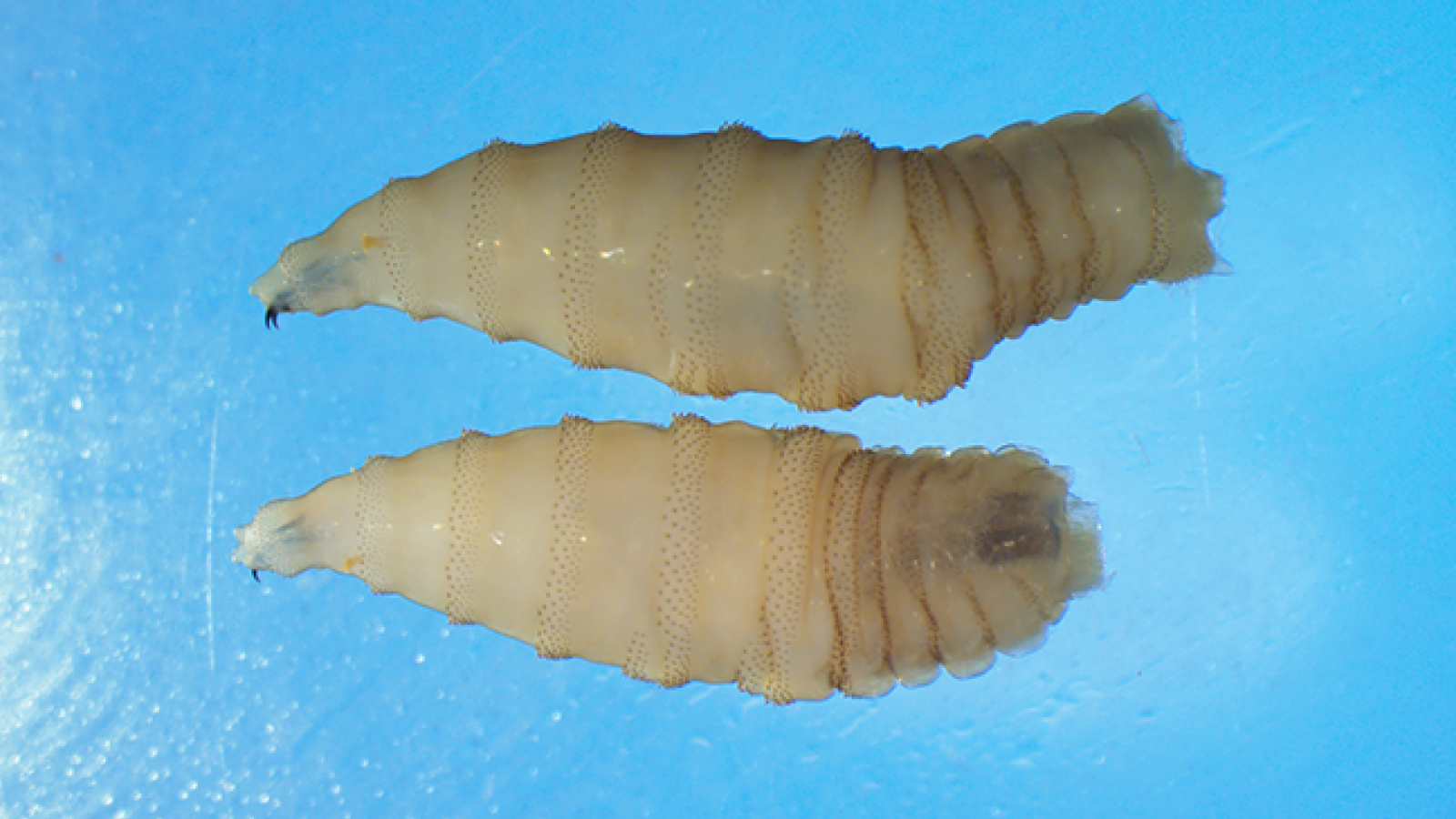
Screwworms, scientifically known as Cochliomyia hominivorax, are parasitic flies whose larvae feed on the living tissue of warm-blooded animals. They were once a devastating pest in the United States, causing severe damage to cattle and livestock industries by infesting wounds and leading to significant economic losses.
Through a cooperative eradication program initiated in the mid-20th century, the U.S. successfully eliminated screwworms using the Sterile Insect Technique (SIT), which involved releasing sterilized male flies to suppress reproduction. By the early 1980s, screwworms had been declared eradicated from the U.S., a milestone considered one of the greatest successes in veterinary and agricultural history. Today, continued monitoring and prevention programs at the U.S.–Mexico border help ensure that the pest does not re-enter the country.
USDA’s Response to the Case
According to USDA officials, the recent human case was isolated and effectively managed by medical professionals. The individual received treatment, and no further cases have been reported. Importantly, there has been no detection of screwworm infestations in animals, which would be a key indicator of a broader threat.
“While this incident naturally raised concerns, the public should know that there is no ongoing risk to human health or to U.S. agriculture,” the USDA said in its statement. “Our monitoring systems remain active and effective, and we continue to work closely with state and federal partners to ensure the safety of both people and animals.”
The department also highlighted its ongoing collaboration with border inspection services, veterinary networks, and wildlife health agencies to maintain vigilance against any potential reintroduction of screwworms.
Reassurance for Livestock Producers
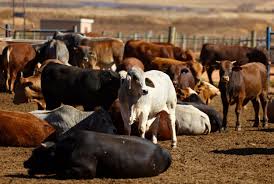
For livestock farmers, particularly cattle ranchers, the term “screwworm” brings back memories of a destructive pest that once cost the U.S. livestock industry millions of dollars annually. Ranchers were relieved to learn that the current case is unrelated to animal populations and poses no risk to herds.
Industry groups, including the National Cattlemen’s Beef Association (NCBA), issued statements supporting the USDA’s findings and thanking the agency for its swift communication. “This update provides the clarity and reassurance that producers need. The eradication of screwworms was a landmark achievement for American agriculture, and it is important for farmers and ranchers to know that this legacy remains secure,” the NCBA said.
Continued Vigilance and Prevention
Experts note that while the U.S. has been free of screwworms for decades, international travel and trade occasionally create opportunities for pests or diseases to cross borders. This is why the USDA continues to invest in biosecurity measures, surveillance systems, and public awareness campaigns.
At the U.S.–Mexico border, animal inspection stations play a critical role in detecting and preventing the entry of screwworm-infested animals. In addition, international collaborations extend the sterile fly release program further into Central America, creating a protective barrier to reduce the risk of reintroduction.
Veterinary experts emphasize that farmers and rural residents should remain aware of the signs of screwworm infestations in animals, such as non-healing wounds, unusual tissue damage, or visible larvae. Early detection and immediate reporting are essential in safeguarding the livestock sector from potential threats.
Conclusion
The USDA’s assurance that there is no risk from the recent human screwworm case underscores the effectiveness of America’s long-standing pest eradication and surveillance programs. By responding quickly, treating the case, and confirming that no livestock are affected, officials have reinforced confidence in the country’s agricultural safety systems.
For U.S. farmers, ranchers, and the general public, the key message is clear: the screwworm remains eradicated in the United States, and ongoing vigilance ensures that agriculture and food security remain protected.

 By
By