

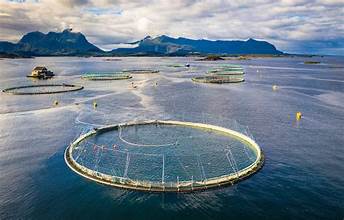
Norway’s globally renowned salmon farming industry is facing increasing environmental scrutiny as concerns over ecosystem impacts, fish health, and long-term sustainability continue to grow. As the world’s largest producer and exporter of farmed Atlantic salmon, Norway has built a multi-billion-dollar aquaculture sector that supplies premium seafood to markets across Europe, North America, and Asia. However, the industry’s rapid expansion has intensified debates over its environmental footprint and the need for more sustainable production practices.
The Norwegian salmon industry has long been recognized as a global success story, contributing significantly to the country’s economy through exports, employment, and technological innovation. Salmon farming has become one of Norway’s most valuable agricultural and seafood industries, generating billions of dollars in export revenue annually and supporting thousands of jobs in coastal communities.
Despite its economic importance, environmental organizations, researchers, and policymakers have raised concerns about the industry’s impact on marine ecosystems. One of the primary issues is the spread of sea lice, parasites that can affect both farmed and wild salmon populations. High concentrations of fish in aquaculture pens can create favorable conditions for sea lice to multiply, increasing the risk of infestation among migrating wild salmon.
Another major concern is the escape of farmed salmon into natural waterways. Escaped fish can interbreed with wild salmon populations, potentially reducing their genetic diversity and affecting the long-term health of native stocks. Experts warn that maintaining the genetic integrity of wild salmon is essential for preserving biodiversity and ensuring resilient ecosystems.
Waste management is another challenge facing the industry. Fish waste, uneaten feed, and nutrient runoff from salmon farms can accumulate beneath aquaculture sites, affecting water quality and marine habitats. Environmental scientists emphasize the need for improved monitoring and advanced waste management technologies to minimize ecological impacts.
Climate change is also adding new pressures to Norway’s aquaculture sector. Rising sea temperatures, changing ocean conditions, and increasing disease risks are forcing producers to adopt innovative farming techniques and strengthen biosecurity measures. Industry leaders are investing in advanced technologies such as closed containment systems, offshore aquaculture facilities, and digital monitoring solutions to improve fish welfare while reducing environmental impacts.
Norwegian authorities continue to enforce strict environmental regulations governing aquaculture operations. The government has introduced licensing systems, production limits, and environmental monitoring programs aimed at balancing industry growth with marine conservation. Many salmon producers are also investing in research and sustainable certification programs to demonstrate responsible farming practices and meet the growing expectations of international consumers.
Industry experts believe innovation will play a critical role in addressing future challenges. Advances in genetics, fish nutrition, disease management, artificial intelligence, and precision aquaculture are helping farmers improve productivity while reducing environmental risks. Investments in cleaner technologies and sustainable production systems are expected to strengthen the industry’s long-term resilience.
Global demand for salmon continues to rise as consumers seek healthy, protein-rich seafood products. However, experts agree that future growth will depend on the industry’s ability to protect marine ecosystems while maintaining high production standards. Sustainable aquaculture practices are increasingly viewed as essential for ensuring food security, preserving biodiversity, and maintaining consumer confidence.
As Norway continues to lead the global salmon industry, balancing economic success with environmental responsibility will remain a top priority. Addressing ecosystem impacts through innovation, stronger regulations, and sustainable farming practices will be key to securing the long-term future of one of the world’s most important aquaculture industries.


 By
By











