The latest OECD–FAO Agricultural Outlook 2025–2034 underscores a clear global priority: building a resilient food system will require simultaneous advances in productivity and reductions in greenhouse-gas emission intensity. According to the report, global agricultural and fish production is expected to grow by roughly 13–14 percent by 2034, with the majority of this increase coming from productivity improvements—especially in middle-income countries.
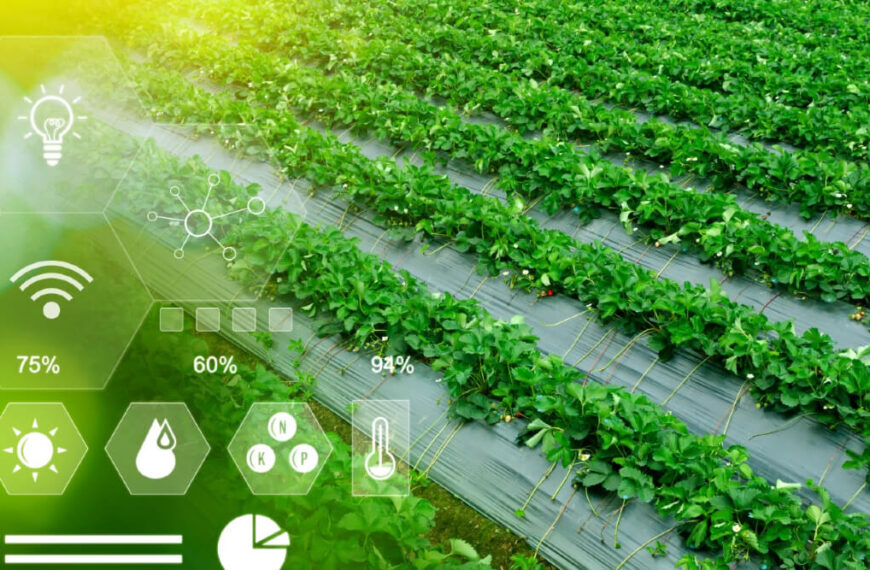
The projection marks a decisive shift away from relying on land expansion as a growth strategy. Instead, technology adoption, improved farming practices, enhanced input efficiency and better resource management are expected to drive output gains. The report notes that yield improvements, supported by innovations in genetics, digital tools, irrigation, and crop management, will be the key engines of agricultural growth over the next decade.
The outlook also emphasizes that maintaining food security in a warming world will require not just higher production but also climate responsibility. The agriculture sector remains a significant contributor to global emissions, and the report calls for a sharp reduction in emission intensity—meaning more food produced per unit of greenhouse gases emitted. Achieving this will require widespread adoption of climate-smart practices, such as precision nutrient management, low-emission livestock systems, improved manure handling and sustainable soil management.
Analysts note that the dual challenge of increasing production while reducing emissions is complex but feasible. Many middle-income countries, where most of the projected productivity gains will occur, already have emerging technologies and infrastructure in place. What is needed now is scaling up innovation, improving policy support, strengthening extension services, and promoting investment in modern production systems.

 By
By