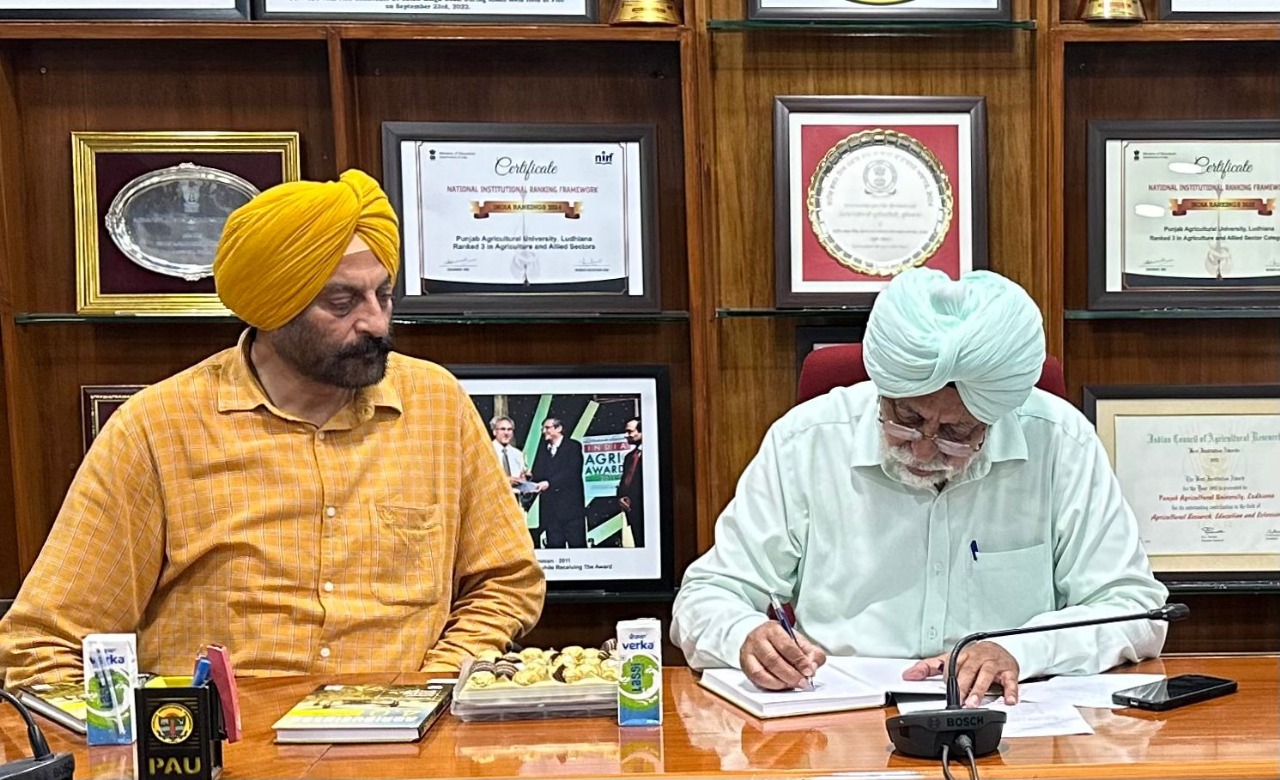
The Punjab Agricultural University (PAU) is pleased to announce the release of a pioneering edited volume titled “Agribusiness 4.0: Globaltech for a Sustainable Future”, led by Dr. Ramandeep Singh, Chief Editor, along with co-editors Dr. Maria Afzal, Dr. Nav Gill, Dr. Sukhmani, and Ms. Alisha Kaur. The book captures the fast-evolving intersection of technology, sustainability, and entrepreneurship in the agri-food sector and is a testament to the collaborative academic spirit that transcends borders.
The volume features 15 peer-reviewed chapters contributed by a global consortium of academicians and experts from reputed institutions including PAU, Aligarh Muslim University, JamiaMilliaIslamia (New Delhi), Chico University, and San Jose State University, California. It explores a rich array of contemporary topics such as:
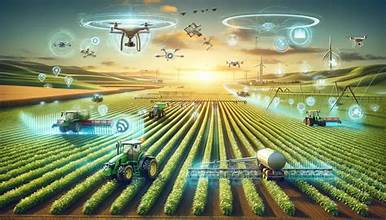
- Artificial Intelligence and Robotics in Agriculture
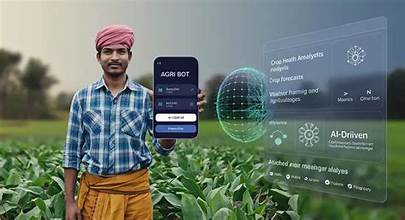
- Precision Farming and Climate-Smart Practices
- Rural Employment and Women Entrepreneurship
- Branding and Financial Literacy in Agribusiness
- Food Processing Technologies
- Cultural Perspectives in Agri-Marketing
With its interdisciplinary and evidence-based approach, the book presents innovative frameworks and strategies aimed at fostering resilient and inclusive agri-food systems. Notably, the application of Hofstede’s cultural theory in food processing and insights into AI-driven agri-tech solutions provide readers with both theoretical depth and practical relevance.
PAU Vice-Chancellor, Dr. Satbir Singh Gosal, congratulated the editorial team and authors for their timely contribution to global agri-education. He noted, “This volume aligns perfectly with PAU’s vision of generating knowledge that is not only academically sound but also socially and technologically impactful. As we move from traditional agriculture towards innovation-driven agribusiness, such initiatives are crucial to guide and empower the next generation of agri-professionals.”
Dr. Gosal added that the publication is a beacon for transition one that bridges classical agricultural models with the demands of a digitally connected and sustainability-focused global economy. He applauded the involvement of young researchers and international faculty, emphasizing the significance of cross-border academic collaboration in shaping the future of agriculture.
Dr. M.I.S. Gill, Dean, Postgraduate Studies, PAU, echoed the sentiment, stating, “PAU is committed to fostering a culture of knowledge sharing. Publications like these are not just academic contributions, but also tools of transformation, driving both community engagement and institutional excellence.”
With its forward-looking vision and global contributors, “Agribusiness 4.0: Globaltech for a Sustainable Future” serves as an invaluable resource for academicians, entrepreneurs, students, and policymakers, offering guidance for building a smarter, sustainable, and more resilient agri-economy in the digital age.

 By
By