

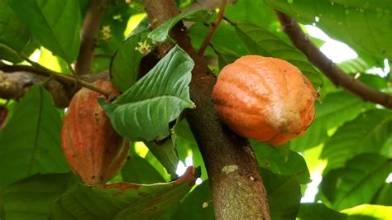
The Philippines has taken an important step in expanding its cacao exports with the first commercial shipment of premium cacao beans from Davao del Norte to New Zealand. The shipment marks a significant milestone for local cacao growers and demonstrates the growing potential of Philippine-produced cacao in international premium markets.
On June 30, 2026, six metric tons of premium dried and fermented cacao beans from the Kapalong Cooperative in Davao del Norte were shipped to New Zealand through a supply agreement with Rautini, a New Zealand-based social enterprise. The transaction was supported by government programmes aimed at strengthening agricultural enterprises and improving market access for farmers.
New Market Opportunity for Cacao Farmers
The export provides Philippine cacao producers with access to a new international market and could create additional opportunities for farmers in Mindanao. Davao is one of the country’s important cacao-producing areas, and the new trade connection could encourage cooperatives and growers to further improve production volumes and bean quality.
The shipment was produced by the Kapalong Cooperative and represents the outcome of years of efforts to strengthen farmers’ production capacity, post-harvest handling and market linkages. According to the Philippine News Agency, the transaction was supported through the Philippine Rural Development Project’s Investments for Rural Enterprises and Agricultural Productivity component.
Focus on Quality and Food Safety
Entering the New Zealand market also highlights the importance of meeting strict quality and food-safety requirements. Premium cacao buyers increasingly demand consistent fermentation, proper drying, traceability and reliable supply.
The partnership with Rautini is intended to connect local producers with international buyers while improving direct market access. For Philippine farmers, meeting these standards could help strengthen their position in the premium cacao segment and potentially open doors to additional overseas markets.
Government Support Behind the Export
The new export market has been supported by cooperation among government agencies, farmer organisations and private-sector partners. The Philippine Department of Agriculture and Department of Trade and Industry in the Davao region have highlighted the shipment as an example of how sustained technical support, networking and market development can help agricultural cooperatives reach international buyers.
The Kapalong Cooperative has also benefited from initiatives focused on improving farm productivity, cacao quality and production areas. These efforts demonstrate the importance of combining farmer organisation with technical assistance and commercial partnerships.
Potential to Expand Philippine Cacao Exports
The New Zealand shipment could serve as a starting point for expanding the Philippines’ presence in the international cacao market. As demand for high-quality and traceable cacao continues to develop, producers with consistent quality and reliable supply could gain access to more premium buyers.
For smallholder farmers, international market access can potentially improve income opportunities when supported by strong cooperatives, quality standards and stable buyer relationships. However, maintaining consistent quality and meeting export requirements will remain essential for long-term success.
A Milestone for Davao’s Cacao Industry
The six-ton shipment is more than a single export transaction. It represents a step toward connecting Philippine cacao farmers directly with global markets and strengthening the competitiveness of the country’s cacao industry.
With continued investment in production, fermentation, post-harvest processing, quality control and international marketing, Philippine cacao could gain a stronger position in premium markets.
The first commercial shipment to New Zealand therefore sends an encouraging message to cacao growers: with the right quality, market connections and institutional support, locally produced cacao can compete beyond domestic markets and reach international consumers.


 By
By











