Francisco Tiu Laurel Jr. stated that the measure is intended to support the local rice industry during the peak harvest season.
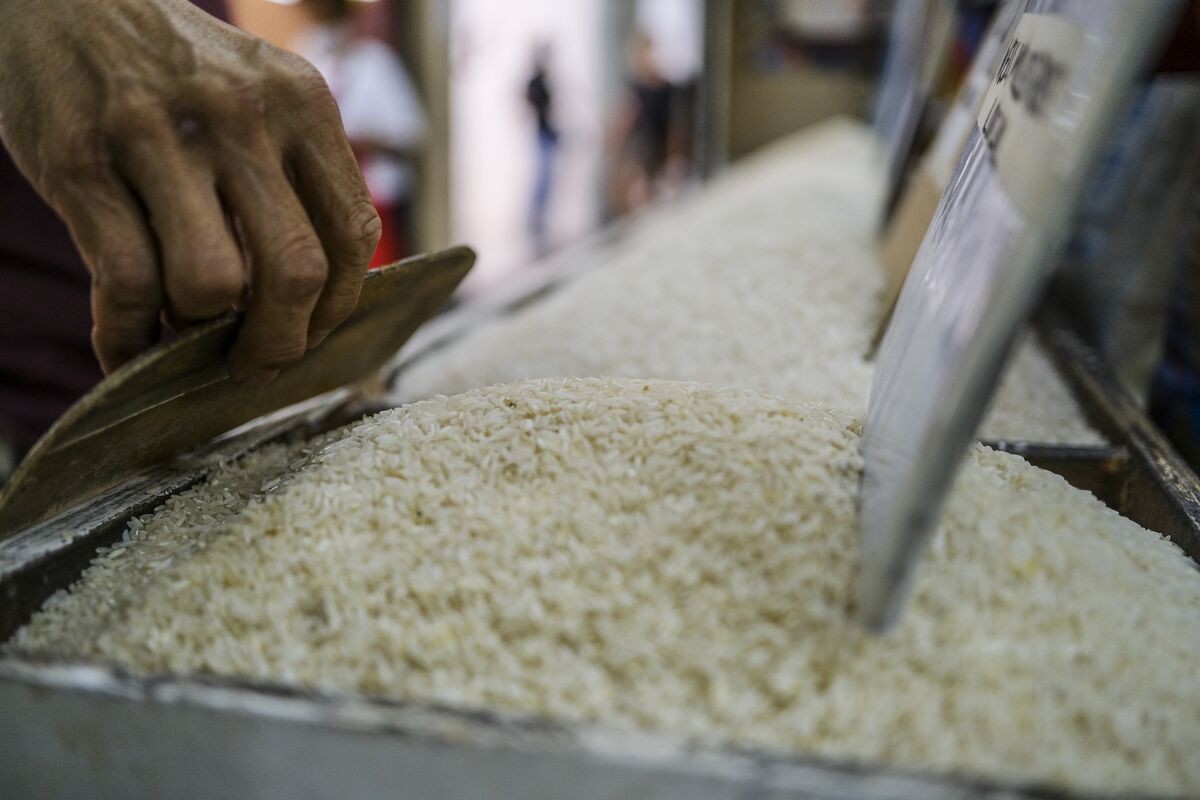
The ban follows a 60-day suspension that began on September 1, 2025. Under the new plan, the government will allow about 300,000 metric tons of rice imports in January 2026 to ensure the country has sufficient supply. However, from February to April 2026, the import ban will be reinstated to coincide with the local harvest period, prioritizing locally produced rice.
The Philippines, the world’s largest rice importer, has already exceeded its annual import target of 2.7 million metric tons, bringing in approximately 3.5 million metric tons by the end of September 2025. Local farmers have faced challenges as rice prices fell to as low as PHP 6 per kilogram in some areas, making the import ban a critical step to support their income.
This policy has also affected global rice markets, particularly in Vietnam and Thailand, which are major exporters to the Philippines. Reduced demand from the Philippines has led to a decline in Vietnamese rice prices, prompting calls for their government to address the import restrictions.
By extending the rice import ban, the Philippine government emphasizes its commitment to supporting local agriculture and ensuring food security, while carefully managing the balance between domestic needs and international trade.

 By
By